
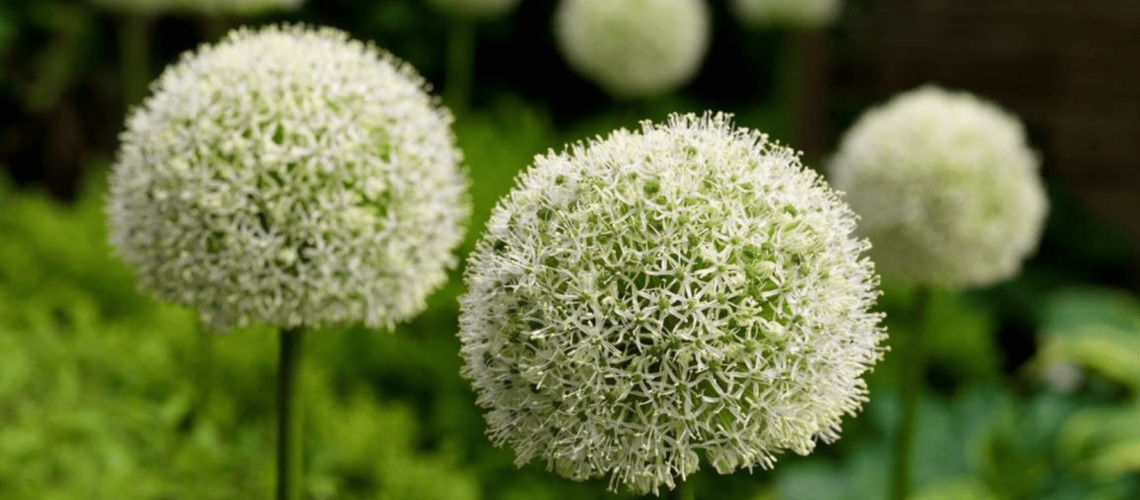
It may feel odd to think about spring flowers in September, but if you want to enjoy bursts of colour in your gardens next spring, the planning and planting needs to happen now—in the fall. September and October are ideal months for getting fall bulbs in the ground, setting the stage for a stunning spring display. Tanya Olsen, third-generation owner of Royal City Nursery and Professor in the Horticulture Apprenticeship program at Humber College, is here to guide you through the steps to make sure your garden is blooming beautifully next year!
Check out our latest YouTube video on ‘Daffodils: Time to plant your fall bulbs!’ or scroll to continue reading.

Thumbnail image with link to ‘Daffodils: Time to plant your fall bulbs! video on our YouTube channel.
Perhaps you’re wondering why it’s necessary to plant your bulbs in the fall when the blooms won’t appear until spring! The reason is that bulbs need the cold winter weather to trigger their blooming process.
Bulbs are remarkably self-sufficient. Spring-blooming bulbs actually rely on a period of cold, as the chilly temperatures initiate the biological processes that lead to their growth and flowering. Once planted in the fall, they begin to develop roots and may even start sending a small sprout toward the surface—but they pause just before breaking through the soil. Throughout the winter, bulbs gather energy, patiently waiting for the warmth of spring to fully awaken their growth. Their hardy nature allows them to handle unpredictable spring weather, including sudden cold snaps. So, if the temperatures fluctuate, don’t worry—bulbs are resilient and can thrive despite the challenges Mother Nature may bring.
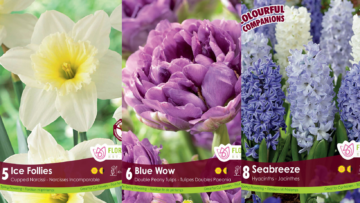
When selecting bulbs to plant in the fall, it’s important to choose varieties that will create a balanced and vibrant display in the spring. Some of our top choices include daffodils, tulips, crocuses, hyacinths, and alliums, each offering unique colours, shapes, and bloom times that can be layered for a continuous show of beauty.
When planning your bulb combinations, think about bloom schedules. Planting early, mid, and late bloomers together ensures a rolling display of colour that lasts from early spring into early summer. Consider the height and texture of each plant as well, allowing taller bulbs like alliums to stand behind shorter blooms like crocuses and hyacinths.
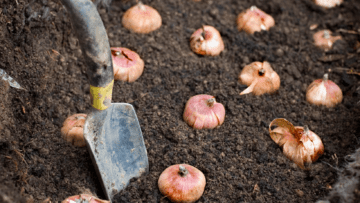
Although each type of bulb has its own specific needs, a good rule of thumb for planting bulbs in our area is from late September through October. Planting too early, when the weather is still warm, can trick the bulbs into thinking it’s spring, causing them to use energy for blooming prematurely. On the other hand, planting too late means they won’t have enough time to establish roots before frost arrives. To ensure success, always check the packaging of your bulbs for specific instructions. It will guide you on planting depth, timing, watering, and other important details.
However, in general, you can follow these steps:
One of the often-overlooked tricks to successful bulb planting is paying attention to the bloom times of each bulb. If all of your bulbs are late spring bloomers, your garden might feel like it’s taking forever to come alive, with only a brief burst of colour before fading. Instead, aim for a sequence of blooms that stretches the season. You can achieve this by selecting a mix of early, mid, and late spring bulbs, ensuring your garden transitions smoothly from one bloom to the next. For an even more impressive display, try lasagna layering—planting bulbs in layers with different bloom times at varying depths. This technique ensures a continuous wave of colour, from the earliest crocuses and daffodils to the late-blooming alliums, creating a vibrant garden that lasts well into early summer.
To help your fall-planted bulbs survive the harsh winter temperatures, mulching is a great strategy. Apply a thick layer of mulch—such as straw, leaves, or bark—over the planted area to insulate the bulbs and regulate soil temperature. This will protect them from freezing and thawing cycles that can disturb their growth.
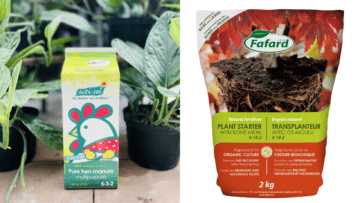
In addition to protecting against the cold, it’s important to guard your bulbs from pests like squirrels, who often dig them up. To keep squirrels at bay, you can sprinkle bone meal or hen manure around the planting area. Not only do these natural fertilizers provide nutrients for the bulbs, but their scent can help deter squirrels.
As temperatures start to rise, you’ll see the first signs of life in your garden. Early bloomers like crocuses will begin to poke through the soil, often while patches of snow are still visible. Soon after, daffodils and tulips will make their appearance, filling your garden with bright colours and signaling that warmer days are ahead.
As the garden transitions from one bloom to the next, you can enjoy watching the progression of flowers throughout the season. The early effort you put in during the fall will soon pay off, creating a stunning display that evolves from early spring into summer. So, be patient, and take the time to enjoy each stage of growth—it’s all part of the beauty of gardening!
Visit Royal City Nursery this month to shop all our fall planting bulbs! Our team of experts are here to help you choose the ideal bulbs for your garden, offering advice on variety, colour, and growth height to ensure a beautiful display. Stop by and let us help you create the perfect spring garden. We look forward to seeing you!
About Tanya Olsen:
Tanya is a third-generation garden centre owner and landscape designer.
Teaches Horticulture Apprenticeship at Humber College in Ontario, Canada.
Has a weekly segment on CTV news.
Has a Bachelor of Landscape Architecture.
YWCA Woman of Distinction.
About Royal City Nursery:
Guelph, Ontario’s only third-generation, full-service garden centre! We specialize in creating custom outdoor living spaces and unique solutions for all your garden, landscape, and seasonal decorating needs! At our new greenhouse, located between Guelph and Cambridge, we are the garden centre of choice for discerning homeowners, landscapers, and designers.