

As we head towards the winter months, it’s easy to forget about our gardens, assuming that everything will ‘hibernate’ and come back to life in spring. In reality, your trees and shrubs will need some ‘winterizing’ over the next few weeks or months to ensure the best growth for the upcoming season. Tanya Olsen, third-generation owner of Royal City Nursery and Professor in the Horticulture Apprenticeship program at Humber College highlights a few key trees and shrubs that may need your attention.
Check out our latest YouTube video on ‘Winterizing Your Tree & Shrubs’ or scroll to continue reading.

Thumbnail image with link to ‘Winterizing Your Tree & Shrubs’ video on our YouTube channel.
Winterizing your garden not only protects your plants from the harshest conditions but also ensures they’ll thrive when the warmer seasons return. By taking preventive measures in October and November, you reduce the risk of winter damage caused by frost, wind, and hungry wildlife. Whether you’re dealing with sensitive hydrangeas, cedar, juniper, spruce trees vulnerable to heavy wet snow, or fruit trees that need protection from hungry wildlife, taking the right steps now can make all the difference.
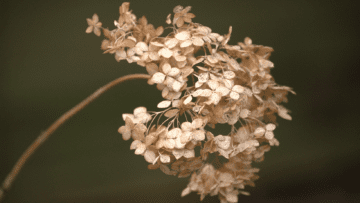
Leave the Flowers On
One of the easiest ways to protect your hydrangeas during winter is to leave the spent flowers on the plant until they naturally dry. Not only do the dried blooms add winter interest to your garden, but they also act as a protective barrier against frost. The old flowers can help shield the developing buds beneath them, which will emerge in the spring.
Pruning in November
Late fall is the perfect time to give your hydrangeas a bit of attention before winter sets in. In November, once the plant has gone dormant, you can begin pruning. Focus on removing dead or damaged branches and thinning out the center to improve airflow. However, be careful not to cut back too much, as some varieties of hydrangeas bloom on old wood, meaning next year’s flowers set on this year’s growth!
Tanya’s Top Tip: Prune your dried hydrangea blooms and incorporate them into your Christmas planters for an extra touch of flair!
General Care for Flowering Shrubs
When it comes to most flowering shrubs, less is more in terms of winter care. For the majority, it’s best to leave them untouched until spring. Many shrubs have natural defenses against the cold, and over-pruning or disturbing them too late in the season can stress the plant or expose it to frost damage. Let nature take its course, and once spring arrives, you can focus on shaping and encouraging new growth.
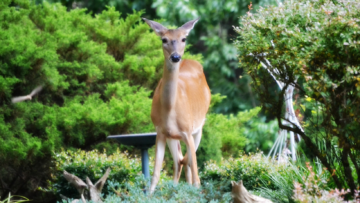
Winter can be a challenging time for garden wildlife, and as food becomes scarce, animals like rabbits, mice, and deer often turn to your trees and shrubs for sustenance. Rabbits are notorious for gnawing on the bark of young trees and shrubs, which can severely damage or even kill the plants. Mice and voles may chew on tree bark near the base, often hidden under snow, leading to girdling—a condition that cuts off the tree’s nutrient supply above the chewed damage.. Deer can be just as problematic, stripping bark and branches from trees, particularly younger ones, and browsing on tender shoots and leaves.
Repellents can be an effective way to keep wildlife at bay without harming your plants. Two products Tanya recommends are Bobbex: Deer and Rabbit, a synthetic repellent, and Plantskydd, an organic option. Both work by creating a taste that animals find unpleasant, discouraging them from nibbling on your trees and shrubs. Just be sure to avoid spraying plants that you plan to eat, like blueberry bushes, during the growing season.
For best results, apply the repellent twice—once at the end of November and again in mid-to-late January. This timing ensures that the protective barrier lasts throughout the winter months when animals are most likely to target your garden.
Fencing Solutions
One of the most effective ways to protect your garden from wildlife is to install physical barriers. A simple fence around the most vulnerable areas can prevent rabbits and deer from accessing your plants. For deer, fences should be at least 8 feet tall, as they can easily jump shorter barriers. In smaller gardens, chicken wire or mesh can be placed around individual plants to keep rabbits out.
Clearing the Area of Food Sources
One of the simplest yet often overlooked strategies is to minimize potential food sources around your garden. Clear away fallen fruits, nuts, and seeds, which can attract wildlife closer to your trees and shrubs. Keeping your garden tidy will reduce the temptation for animals to venture in search of food, especially during the winter when they’re more desperate for sustenance.
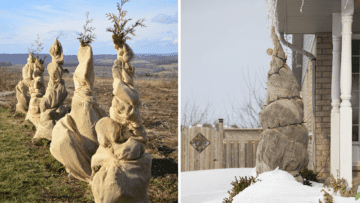
Staking your trees now is a perfect October garden activity. Getting these in place early is key because when the temperature drops in November, you’ll be ready to add burlap with ease. Properly staking your trees ensures they remain upright and stable during winter storms, making it easier to wrap them securely when the time comes.
Cedar, Juniper and Spruce, while hardy, can still suffer from winter damage due to cold winds, harsh temperatures, and drying conditions. Burlap provides an effective shield by protecting these evergreens from the desiccating effects of wind and preventing winter burn, which can cause browning and dieback on exposed branches. Additionally, burlap allows for airflow and moisture escape, unlike plastic wraps, which can trap moisture and potentially lead to mold or rot. This breathable barrier also offers a layer of insulation that helps regulate the tree’s temperature during extreme cold snaps.
In addition to protection, burlap is a great way to tie up columnar-shaped plants, preventing branches from breaking under the weight of heavy, wet snow. To determine if a plant needs to be tied for snow protection, inspect the branch angles near the trunk. If they form a “V” shape, the branches should be tied to prevent damage. On the other hand, branches that form an “L” shape are less prone to snow-related breakage.
When it comes to wrapping cedar and spruce trees, proper technique is key to ensuring their safety:
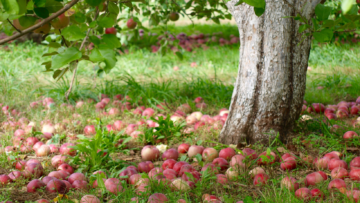
Winter poses a unique threat to fruit trees as mice and rabbits often turn to tree trunks for food when other sources are scarce. Mice travel under the snow and gnaw on the bark at ground level, while rabbits can reach higher up as they travel on top of the snow. This damage, particularly girdling—where the bark is stripped in a continuous ring around the circumference of the trunk—can prevent the tree from transporting water and nutrients, leading to weakness or even death. To protect your trees, it’s essential to wrap the trunks before winter sets in.
For all your fruit trees—including native serviceberry, crabapple, apple, pears, cherry and plum—using a simple trunk wrap protector can effectively safeguard them from gnawing animals. A properly wrapped trunk creates a barrier that prevents both mice and rabbits from causing harm. We recommend applying the wrap in November and removing it in March, once the threat of frost has passed.
As winter approaches, it’s important to take the time to winterize your trees and shrubs for their health and longevity. Preparing now will make the transition into winter smoother and more stress-free. If you have any questions, our team of experts is here to assist you in-store or feel free to give us a call. With a little preparation, you can ensure that your garden thrives beautifully when spring arrives!
About Tanya Olsen:
Tanya is a third-generation garden centre owner and landscape designer.
Teaches Horticulture Apprenticeship at Humber College in Ontario, Canada.
Has a weekly segment on CTV news.
Has a Bachelor of Landscape Architecture.
YWCA Woman of Distinction.
About Royal City Nursery:
Guelph, Ontario’s only third-generation, full-service garden centre! We specialize in creating custom outdoor living spaces and unique solutions for all your garden, landscape, and seasonal decorating needs! At our new greenhouse, located between Guelph and Cambridge, we are the garden centre of choice for discerning homeowners, landscapers, and designers.