

Did you know that our third generation owner of Royal City Nursery, Tanya Olsen, teaches horticulture at Humber College? It’s safe to say she’s a bonafide expert in plant care and landscaping, particularly here in Guelph! With our hot summer climate fluctuating between dry and super humid, adjusting your care routine might be confusing—especially with our city’s new water usage restrictions. Here is Tanya’s advice and insight about proper summer tree care, so whether you’re looking after mature trees or new plantings, you can keep them hydrated and growing steadily through the season.
Proper tree care—watering, pruning, and more—contributes to a healthier tree that’s more resistant to pests and diseases. Tanya calls this Integrated Pest Management (IPM). In summer, pests and diseases run rampant, but with the correct techniques, you can effectively prevent them! Here are Tanya’s best tips for keeping your trees happy, hydrated, and pest-free all summer.
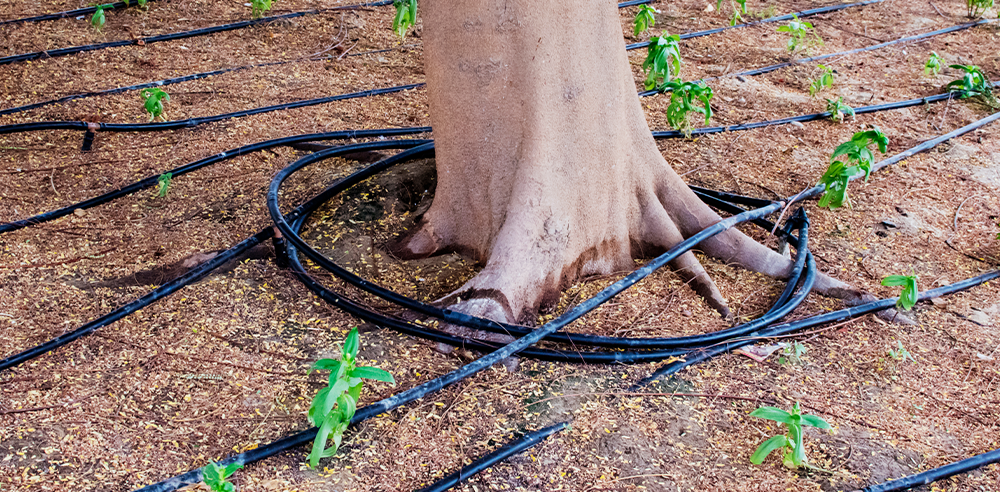
The best way to water your tree in the summer is with a weeper hose. It forces the water out of the walls of the hose, so it slowly seeps into the soil below; simply set a timer on your phone and turn the hose off once the time is up! Smaller, newly planted trees will only need to be watered for about half an hour but will need to be watered once every 5 to 7 days, so long as you are watering deeply. Large, mature trees should need water for around one hour every 7–10 days if we aren’t getting much rain.
Not only do weeper hoses prevent evaporation and ensure the soil around your tree has sufficient water, but they’re an excellent tool for Integrated Pest Management.
“When you are watering in the heat, you don’t want to water the leaves. In the last couple of weeks, we’ve seen the humidity rise fairly significantly. With heat and humidity, we start to see an awful lot of fungal infections. Things like black spot and powdery mildew start to pop up right now. If we practice a slightly different method of watering, we can reduce the amount of disease we’re getting,” says Tanya.
You can also water new plantings all at once. For example, a young tree grown in a 10-gallon container will only need about 5 gallons of water at a time.
Remember: it’s always better to water deeply, less frequently, instead of watering a little bit every day. You want to make sure that moisture really soaks through the soil and thoroughly moistens your trees’ roots!
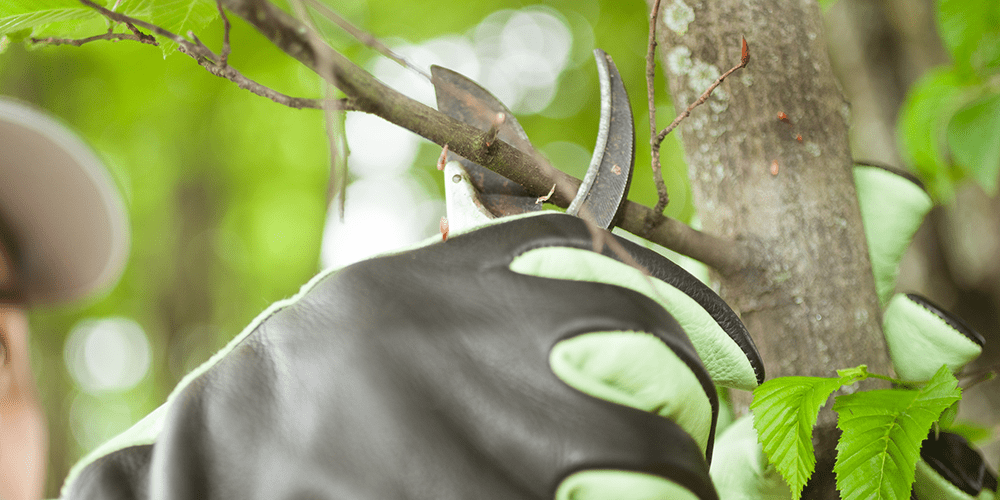
Most trees shouldn’t be pruned in summer, but there are a few that can benefit from a trim! Spring-blooming ornamental trees bloom on the previous year’s wood, so they’re best pruned in summer as soon as they finish blooming. You won’t want to prune fruit trees in the summer because that will cut off all the fruit! Instead, you’re better off pruning them in February; that way, it’s easier to see the full shape of the tree because all the leaves are gone. The exception is for newly planted fruit trees—you’re better off nipping off the flowers once they fade. Then, your plant can focus on growing bigger and stronger instead of using its energy to make fruit.
Most evergreens are safe to prune in summer. Maples and rhododendrons, however, should not be pruned in summer because they are “heavy bleeders.” Prune your maples sometime around the end of August through September; this is when the plant begins to enter dormancy, and it won’t bleed as much when it’s no longer actively growing. Prune rhododendrons immediately after they’ve finished flowering in May.
When it comes to proper pruning technique, Tanya believes less is more. Stand back and really evaluate your tree, taking into consideration the natural shape. Focus on tidying it up and removing any troublesome branches that block pathways or rub against other branches. If you have to prune your tree back by several feet every year to fit it into your landscape, it’s not the right plant for your space.
“My mom always said, ‘If people can’t tell you’re wearing makeup, you’re actually doing it right.’ It’s not much different with pruning! After you’re done, to your eye, it should look a little bit smaller and tidier, but to the general passerby, it looks kind of cool, but they don’t really notice any difference,” says Tanya.
Sometimes fruit trees and shrubs produce too much fruit—and while an overabundance of delicious apples and berries may sound nice, your plant won’t have as much energy for root development and overall growth. Plus, too much fruit can get messy! If you’ve had issues with your fruit trees overbearing, Tanya recommends shearing off some of the flowers as they start to fade.
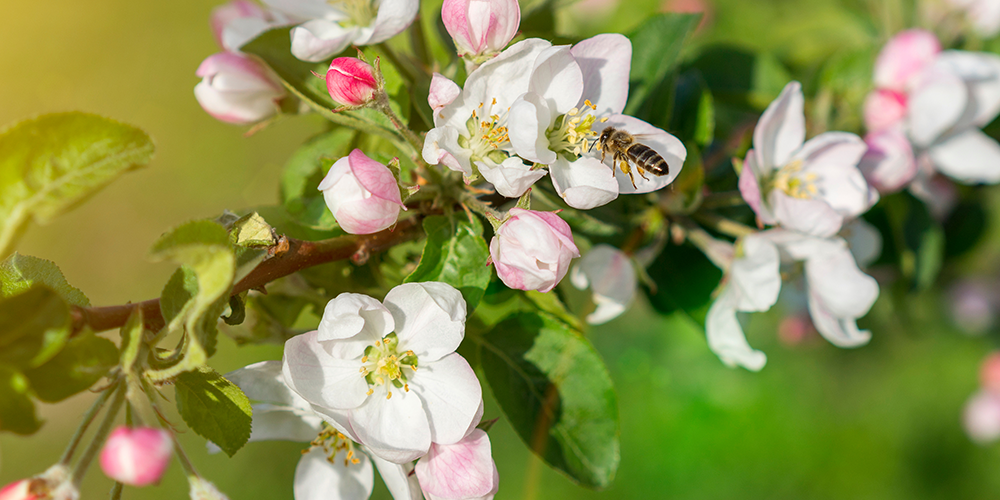
Fruit trees will usually begin producing by years 3–5, but as previously mentioned, if you planted your fruit tree this year, you should shear off the flowers so it can focus on root development.
Your trees naturally go into dormancy over the winter; surprisingly, this process begins as soon as the days start getting shorter. Tanya says that by approximately mid-July, you should stop fertilizing until the tree has gone completely dormant in late fall, but its roots are still active. That way, it will soak up the fertilizer and store those nutrients until spring, when it’s ready to start growing again. Fertilizing in late summer will scramble your tree’s natural dormancy cycle, making it harder for them to slip into dormancy later in the season.
“To put that in human terms: say you start to snooze on the sofa, and you’re having a pretty darn good nap, but somebody shakes you awake. You still have to go to bed, so you get up, and maybe it takes 20 minutes to get you to go to bed… well, then you’re just lying awake!”
Slow-release, granular fertilizer is great because it continually releases nutrients over six weeks. Liquid fertilizer is more like an instant fix if your trees look sad and need a pick-me-up.
The tricky thing about disease and pest control is that different issues have different seasons of activity. The pests and diseases you see in spring will differ from those that pop up during dry, summer days. Maintaining healthy trees is the best way to prevent problems—remember, IPM!—but you can also use preventative dormant kits in spring and fall during a brief window of time. These products are ineffective in summer.
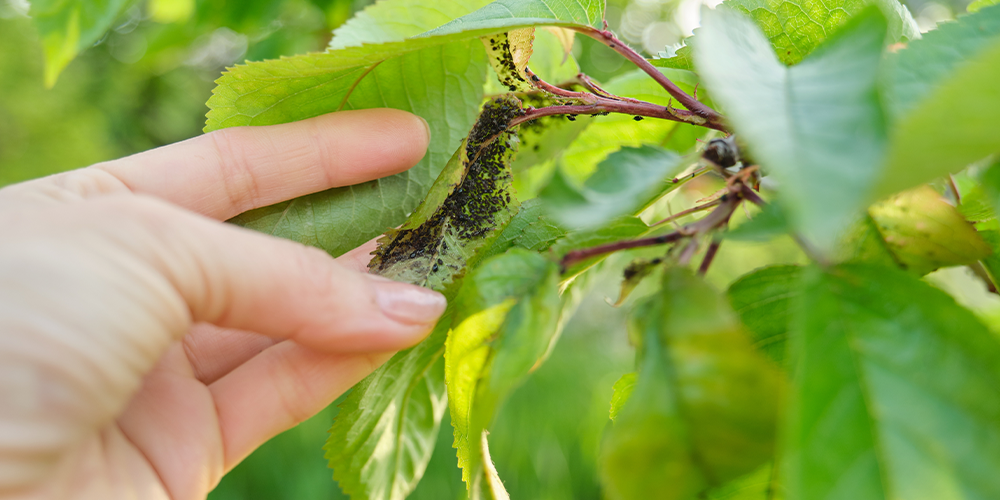
Tanya recommends only using pesticides as a last resort if you have a severe case of infestation, and we always recommend using natural products—not synthetic chemicals. If you catch a couple of bugs hanging around your fruit trees, that’s just part of living in the great outdoors! No need to grab the insecticidal sprays.
If a pest or disease is attacking your tree and you’re struggling to identify it, Tanya recommends bringing in a small cutting, placing it in a Ziploc bag, and bringing it into our garden center in Guelph. We’ll help you troubleshoot the problem and create a plan of attack!
Pay attention to the visual cues your trees give throughout the season, and if anything seems amiss, give us a call! If you need any assistance with summer tree care, or if you’d like to plant some new trees near Guelph, come into Royal City Nursery, and we’ll be happy to help! Tanya and the rest of our plant care experts have plenty of valuable knowledge and pro tips to share.