
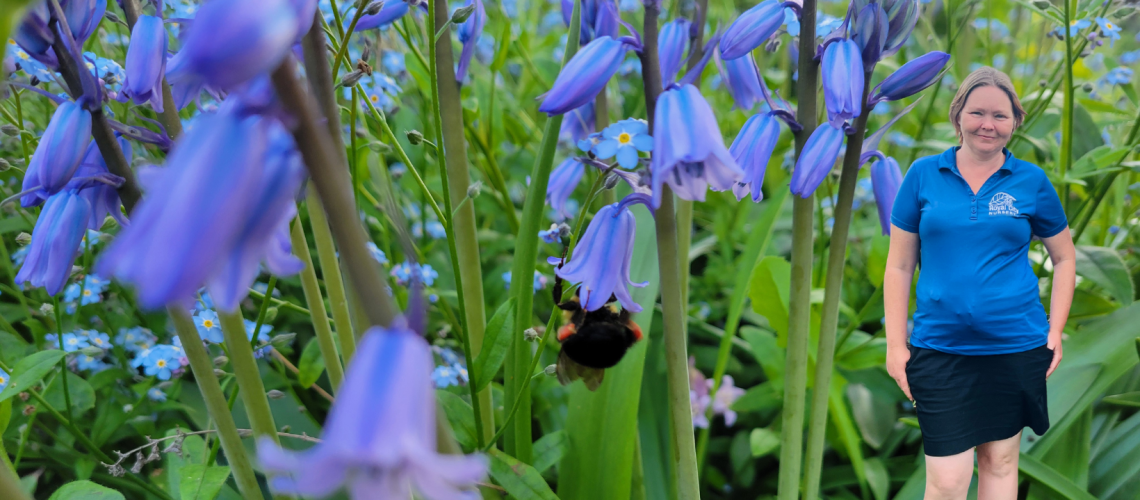
I get the same feeling when a bee lands on one of my flowers as I do when I spot the first tiny tomato of the season—pure joy. There’s something uplifting and energizing about the steady buzz of bees, and I always look forward to watching them return to my garden throughout the summer. Pollinators do more than support our own gardens—they play a vital role in food and flower production on a broader, local scale. The small choices you make in your own yard or balcony can have a real impact. In honour of Pollinator Week (June 16–22 2025), here are our top tips for creating a pollinator-friendly garden.
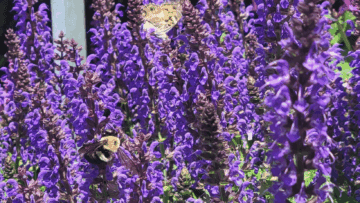
1.Shopping Tip: Gardening on a budget? Opt for smaller containers like 4” or 9cm pots—you’ll get the same great plants at a lower price. The only difference is the time it takes for them to grow to the size of a larger gallon pot. Bonus: they require a much smaller hole when planting, making the job quicker and easier.
2.Designer Tip: A common concern with pollinator gardens is that they can look messy or overgrown—but that all comes down to design choices and personal style. If you’re aiming for a more modern, tidy look, keep these two design tips in mind:
Plant in groups of 3, 5, or 7 for visual impact, and leave space between each group for structure. Use singles only as focal points or specimens.
Choose clump-forming plants like Little Bluestem, Echinacea, and Cardinal Flower, which have a neater, more upright habit than sprawling varieties.
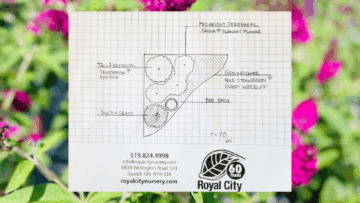
You don’t need a huge space to make a difference—a few containers or a tucked-away 3’ x 3’ corner can support a surprising number of pollinators. Check out the sample layout below, or stop in and let our team help you design your own pollinator-friendly space!
3.Landscaper Tip: When designing a pollinator garden, you’ll come across the term nativar—a cultivated variety of a native plant, bred for specific traits like bloom colour, leaf shape, or extended flowering time. For example, Coreopsis verticillata is a native, while the popular nativar ‘Moonbeam’ offers finer foliage and a longer bloom period.
So, what should you plant? When choosing between natives, nativars, and hybrids, aim for varieties that still support pollinators. Single flowers are better than doubles, and green foliage tends to offer more ecological benefits than dark or heavily variegated leaves. Choose nativars carefully—they can still provide food and habitat, but not all are equal in value to pollinators.
While plants are the foundation of any pollinator-friendly space, there are other key elements that play an equally important role. To create a garden that not only attracts pollinators but encourages them to stick around, consider including the following essential features.
Avoid relying on synthetic or non-organic food sources, even if they seem sweet and attractive to pollinators. I once read a fascinating story about beekeepers in France whose hives produced honey in unusual shades of blue, green, and red—but they couldn’t figure out why. After some investigation, they discovered the bees were foraging near a factory that produced M&Ms. The bees had been feeding on discarded candy coatings, which gave the honey its colorful hues and a candy-like taste. While intriguing, these unnatural food sources aren’t healthy or sustainable for pollinators. Just like feeding birds, it’s important to provide pollinators with a continuous, natural source of food throughout the season.
When planning your pollinator garden, start by choosing the right plants. A good guideline is to plant about 70% native or nativar species and up to 30% cultivated, non-native varieties to best support local wildlife. Aim for a garden that blooms across at least three seasons—early spring, summer, and fall—to provide food all year long (we’ll cover winter plants later). Always select plants suited to your site’s conditions, including sunlight, soil type, and hardiness zone (check your zone here: Canadian Plant Hardiness Zone Map). Also consider how much care you can provide, such as deadheading, pruning, and watering. We love talking plants and are happy to help you choose varieties that will turn your garden into a true pollinator paradise!
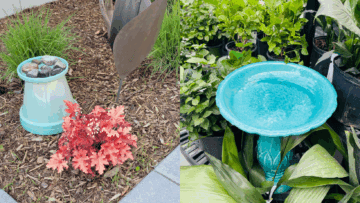
Adding water features to your garden not only creates a calming atmosphere but also attracts and supports a variety of wildlife—including pollinators. These features don’t need to be elaborate; even a shallow dish or saucer with water can serve as a vital resource. Bee baths, like the one in our courtyard, are simple to make and a fun project for young gardeners.
Place your bee bath in a sheltered, partly shady spot to keep the water cool and appealing. Avoid full sun, which can heat the water too much, speed up evaporation, and promote bacteria and algae growth. To keep the water safe and healthy, change it daily. This also helps prevent mosquito larvae from developing. Clean the bath thoroughly once a week using hot water and mild, non-citrus dish soap, then rinse well.
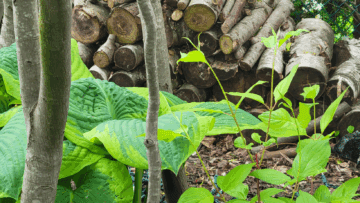
Just as the creatures that rely on them are diverse, so are their habitat needs. For example, hoverflies lay their eggs in grass clippings, butterflies seek shelter from heavy rain and wind under large leaves like Hostas, and hummingbirds build nests in thin, forked branches surrounded by dense foliage—plants like Nannyberry and tall Weigela varieties such as ‘Red Prince’ are perfect for this. Different pollinators use different plants for specific purposes, so the best way to support a wide variety of wildlife is to offer a range of habitat options.
One great way to encourage pollinators like solitary bees, beetles, and wasps is by creating a stumpery—a collection of old stumps, branches, and twigs. These natural nooks and crannies provide shade, moisture, and shelter for many creatures, including insects, spiders, small mammals, amphibians, and reptiles.
Through my experience working with ecosystems, one of the most important lessons I’ve learned is to keep as much organic material on-site as possible. While it’s essential to remove diseased or infested plants and keep weeds under control, holding onto clean, healthy plant debris benefits your garden tremendously. This organic material offers winter protection and bedding, helps eggs and larvae survive and emerge, and feeds decomposers like sow bugs and pill bugs. If you can’t compost or reuse it in your yard, consider participating in local yard waste recycling programs.
As mentioned earlier, many insects rely on garden plant material to overwinter. Your leaf litter supports multiple life stages—from eggs to adult bees, moths, and butterflies. As leaves break down, they enrich your soil by adding valuable nutrients. Leaf compost or leaf mould is one of the most underrated natural mulches and insulators for tender plants—and best of all, it’s free!
Evergreens also play a crucial role by providing reliable windbreaks that keep pollinators warm through the colder months. They also offer early-season food sources before deciduous and perennial plants bloom. Broadleaf evergreens such as Boxwood, Hollies, Oregon Grape, and Kinnikinnick are especially valuable as they flower in early spring.
During my time as a commercial grower, I witnessed the nursery industry shift towards Integrated Pest Management (IPM), moving away from heavy reliance on chemical sprays. Many IPM techniques are easily applied in your own garden—working from prevention and cultural practices to targeted controls (see the pyramid below).
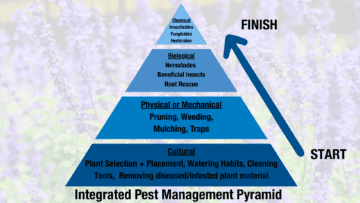
If you do need to spray, always follow the label instructions carefully, including wearing Personal Protective Equipment (PPE) and mixing products properly. Remember: more product does not equal better results. Our knowledgeable staff are always happy to help with any pest or disease challenges you face throughout the year.
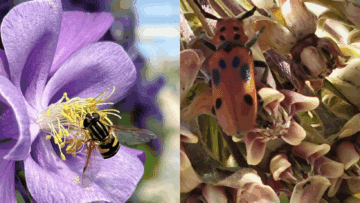
When planning a pollinator garden, don’t just focus on the well-known pollinators with the best marketing—think beyond bees and butterflies. Here are a few of our favourite lesser-known pollinators:
Hoverflies: Resembling bees, hoverflies are amazing allies in your garden—not only as pollinators but also as pest controllers. Did you know that one hoverfly larva can consume up to 400 aphids during its development?
Moths: The night-shift pollinators, moths are just as effective as bees and butterflies. To attract them, plant fragrant, night-blooming flowers in white, pale yellow, or iridescent shades that reflect moonlight, such as Moonflowers and Night-blooming Primrose.
Beetles: Often species-specific pollinators like the Milkweed Beetle, beetles play a key role in pollinating ancient plants such as magnolias, pawpaws, and goldenrods. While some beetles also feed on flowers, you can manage pests like cucumber beetles and lily beetles by hand-picking them early, and use traps to control Japanese beetles.
Wasps: Yes, they can be annoying and aggressive—especially at BBQs—but wasps are beneficial insects. They pollinate plants and help control pests. For example, braconid wasps help manage tomato hornworms. If you’re curious, ask our resident bug experts, Erika or Lilly, or simply look them up online!
Supporting pollinators means creating a balanced, welcoming environment that meets their diverse needs throughout the year—from food and water to shelter and protection. By incorporating a variety of plants, natural habitats, and organic care practices, you not only help these vital creatures thrive but also enrich your garden’s beauty and health. Remember, even small efforts in your yard or balcony can make a big difference in supporting pollinator populations locally. Our team of experts is always here to answer your questions and point you in the right direction with plants and products. Happy Pollinator Week!
About Kate Van Schaik
Kate Van Schaik (Bachelor of Arts & Sciences (B.A.S.) has been growing plants since she was 5 years old. This lifelong passion led to a career in horticulture, spending 15 years growing for a commercial nursery before joining the RCN team as a Landscape Designer in 2022. With a B.A.S. in Forest Science and Geography (University of Guelph), and post diplomas in Ecosystem Restoration (Niagara College) and Landscape Design (University of Guelph), Kate is uniquely qualified to create beautiful and inspiring landscapes that live in harmony with the environment around us.
About Royal City Nursery
Guelph, Ontario’s only third-generation, full-service garden centre! We specialize in creating custom outdoor living spaces and unique solutions for all your garden, landscape, and seasonal decorating needs! At our new greenhouse, located between Guelph and Cambridge, we are the garden centre of choice for discerning homeowners, landscapers, and designers.