
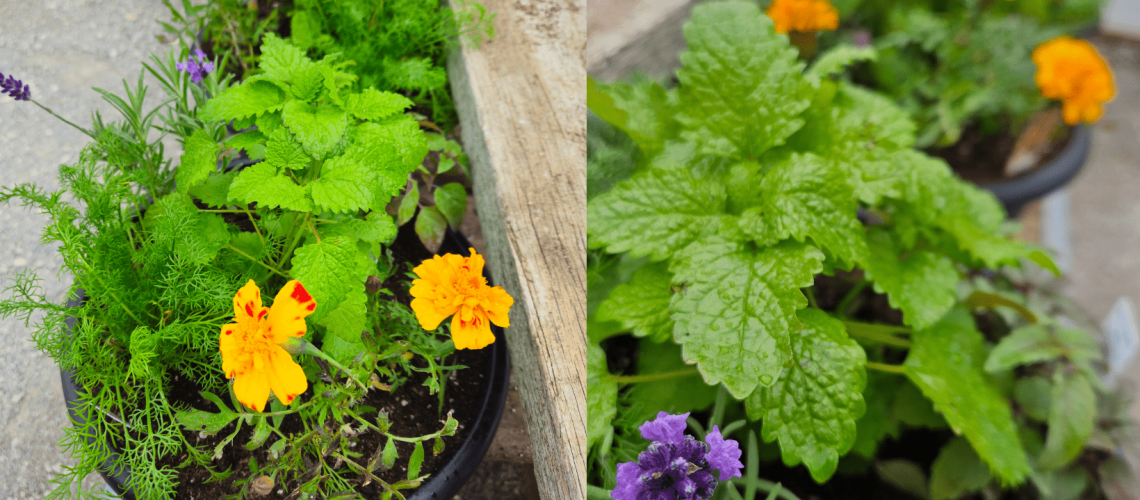
If you’ve ever wondered how to grow a healthier, more productive garden without relying on chemical sprays, companion planting is your answer. Companion plants work together in harmony – some attract beneficial pollinators, others draw in predatory insects to fight off pests, and a few act as “trap crops” to lure the bad bugs away from your fruits and veggies. Tanya Olsen, third-generation owner of Royal City Nursery and Professor in the Horticulture Apprenticeship program at Humber College, shares her expert tips and go-to plants for successful companion planting.
Companion plants are simply plants that grow well together and benefit one another. Some may enhance growth or flavour, while others act as a natural defense system. They’re companions in the garden, supporting your vegetables, herbs, and fruits by improving pollination and reducing harmful pests.
The benefits of companion planting are plentiful:

Trap crops are like the ‘sacrificial lambs’ of the garden. These plants are grown specifically to lure unwanted insects away from your vegetables and fruits. Once pests are drawn to these decoys, your main crops are left relatively untouched.
Some excellent trap crops include:
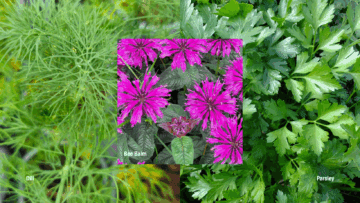
Want to attract the “good bugs” that help pollinate and defend your plants? Try adding these companion plants:
Companion planting isn’t just about aesthetics – it’s a strategic, organic way to create a self-sustaining garden. By welcoming beneficial insects and using trap crops as decoys, you reduce the need for chemical pesticides while increasing biodiversity.
Whether you’re growing tomatoes, cucumbers, or blueberries, incorporating a few smart companion plants can make a huge difference. Think of your garden as a team – every plant has a role to play. Our knowledgeable team at Royal City Nursery is always here to help, offering expert advice on the best companion plants for your specific garden needs.
About Tanya Olsen:
Tanya is a third-generation garden centre owner and landscape designer.
Teaches Horticulture Apprenticeship at Humber College in Ontario, Canada.
Has a weekly segment on CTV news.
Has a Bachelor of Landscape Architecture.
YWCA Woman of Distinction.
About Royal City Nursery:
Guelph, Ontario’s only third-generation, full-service garden centre! We specialize in creating custom outdoor living spaces and unique solutions for all your garden, landscape, and seasonal decorating needs! At our new greenhouse, located between Guelph and Cambridge, we are the garden centre of choice for discerning homeowners, landscapers, and designers.