
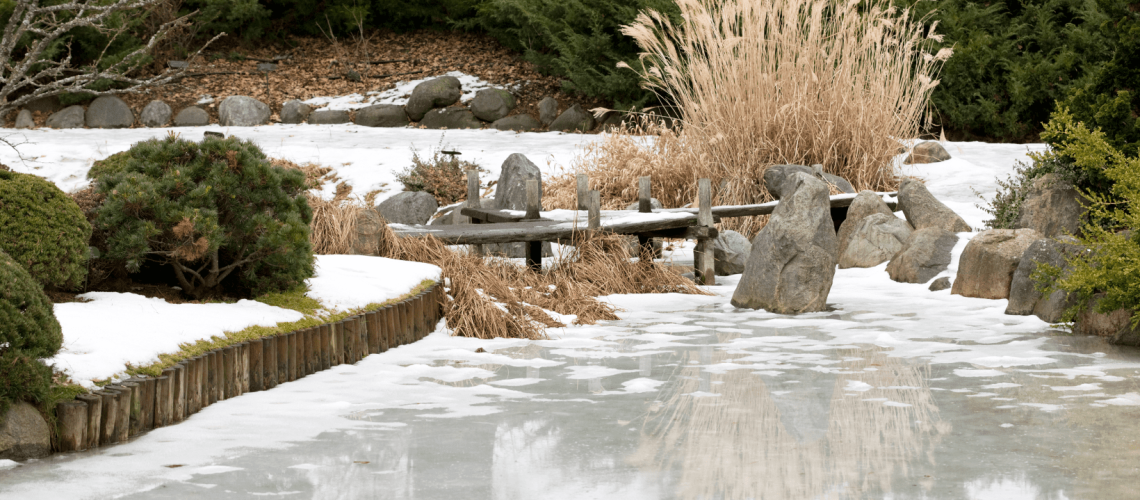
As the temperatures begin to drop and as we head towards the colder months, it’s time to start thinking about how to protect your garden pond, water feature, or bubbling rock from the challenges of winter. Without proper care, the cold weather can take a toll on aquatic plants, fish, and even the equipment that keeps your water feature running smoothly. Winterizing your pond ensures that everything remains in good shape, preventing damage and making the transition back to spring easier and healthier for your pond’s ecosystem.
Tanya Olsen, third-generation owner of Royal City Nursery and Professor in the Horticulture Apprenticeship program at Humber College walks you through the essential steps to prepare your pond or water feature for the cold months ahead, so you can enjoy a thriving water garden once the warmer weather returns.
Check out our latest YouTube video on ‘How to Winterize Your Pond’ or scroll to continue reading.

Thumbnail image with link to ‘How to Winterize Your Pond’ video on our YouTube channel.
Before the cold sets in, it’s important to give your pond a thorough inspection to ensure everything is in good condition for winter. Start by checking for any leaks, as even a small issue can become a larger problem when temperatures drop and water freezes. Pay attention to signs of water loss or damp areas around the pond’s edges that might indicate a leak.
Next, check your pond for any debris or algae buildup. During the fall, leaves, twigs, and other organic matter can accumulate in the water, which can lead to poor water quality during the winter months. To help manage this, you can add a treatment like Microbe-Lift, (don’t be put off by the smell of rotten eggs!) which accelerates the decomposition of leaves, sediment, and other organic debris, keeping your pond cleaner throughout the colder season.
Take time to skim the surface regularly to remove any debris that could sink and decay, releasing harmful gases that may pose a threat to aquatic life. In addition, inspect your pond liner and edge stones for any signs of wear or damage. Addressing these small issues now can help prevent larger, more costly repairs once spring arrives.
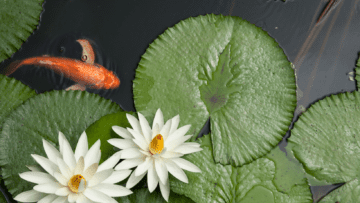
If you have cold-hardy fish like koi or goldfish, they can remain in the pond throughout the winter, but their care needs to be adjusted as temperatures drop. As the water cools, fish metabolism slows down, meaning they require less food. Switch to a high-protein diet, like this cold water fish food as autumn sets in, which is easier for fish to digest in cooler water.
Once water temperatures consistently fall below 10°C (50°F), it’s important to stop feeding your fish altogether. At this point, their bodies can no longer effectively process food, and continuing to feed them could lead to health problems. Your fish will enter a state of semi-hibernation and rely on the stored energy they’ve built up over the warmer months.
Maintaining good water quality is essential for the well-being of your aquatic life over the winter. Ensure that gas exchange can still occur by keeping a small area of the pond surface ice-free using an aerator or floating de-icer. This will help prevent harmful gases from building up under the ice, keeping your fish healthy until spring.
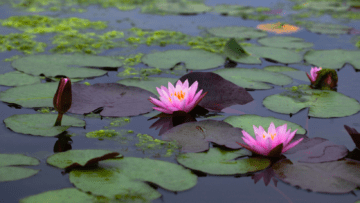
Just like fish, your pond plants need special attention as winter approaches. Proper care will help ensure they survive the cold months and bounce back when spring arrives.
Hardy Plants
Many pond plants, like water lilies, are cold-hardy and can remain in the pond through winter, but they require some preparation. Start by trimming back dead or dying foliage before the first freeze. Pruning these plants reduces the chance of decaying organic matter sinking to the bottom of the pond, which can compromise water quality and release harmful gasses. Water Lily should also be dropped to the bottom of the pond, so there is 18″ to 24″ above the crown (prevents the crown from winter damage). For plants that grow from the bottom of the pond, cut the stems just above the crown and lower the pots to the deepest part of the pond to keep them insulated from freezing.
Tropical Plants
Tropical pond plants, such as water hyacinths or taro, are not frost-tolerant and need to be brought indoors to survive the winter. Water hyacinth should be composted, even with grow lights, they turn to mush indoors. Remove these plants from the pond before temperatures dip too low and overwinter them in a bright, cool indoor location. temperatures drop below 10 to 12 degrees C and treat like a houseplant. Lots of sun and warmth. Place them in water containers to keep their roots moist, or pot them in soil, depending on the plant type. If you don’t want to put them in a bucket, you can keep them in the pot, and put them in a saucer with some water, so the soil stays damp. These plants can then be reintroduced to the pond once the warmer months return.
Submerged Plants
Submerged oxygenating plants like hornwort play an important role in maintaining water quality during winter. These plants help produce oxygen, which is crucial if you have fish overwintering in the pond. Leave them in place, and consider lowering them to the deepest part of the pond to protect them from freezing temperatures. These plants will continue to function even in cold water, helping keep your pond ecosystem balanced throughout winter.
As winter approaches, properly managing your pond equipment is crucial to ensure everything runs smoothly when warmer weather returns. This involves shutting down some systems while maintaining others to prevent freezing and protect aquatic life.
Pumps and Filters
Most pond pumps and filters are not designed to handle freezing temperatures and should be shut down for the winter. Start by disconnecting the pump and filter system once temperatures drop consistently below freezing. Before storing, thoroughly clean the pump to remove any debris, algae, or mineral buildup that could cause damage during storage. A pump cleaner is especially helpful for quickly eliminating calcium buildup. Filters should also be removed and cleaned, including any filter pads, bio-media, and housings. Once everything is clean and dry, store the equipment in a frost-free location, such as a garage or shed, to prevent cracking or other damage from ice. remove / disconnect filters for sure. Pumps will be fine if they are kept running 24/7 over winter. If you do not wish to keep the water feature running during the winter, pull out and store as you suggest. Lots of time, it helps to store pumps in a bucket of water, in a frost fee space to keep the bushings moist. If you have cleaned the pump and removed all the lime scale, dry storage is okay.
Aeration Systems
While the main pump system should be turned off, maintaining some aeration in your pond over the winter is important—especially if you have fish. An aerator or small pump will keep the water moving just enough to prevent the pond from completely freezing over. Aeration also helps maintain gas exchange, ensuring harmful gasses don’t build up under the ice.
Maintaining a Hole in the Ice
If you have fish overwintering in your pond, it’s crucial to keep a small hole in the ice to allow for gas exchange. A floating de-icer and/or an aeration system can create this opening, preventing the buildup of toxic gasses that could harm your fish. Avoid physically breaking the ice with force, as the shockwaves can stress or even injure fish. Instead, rely on the gentle warmth of a de-icer or the bubbling of an aerator to keep an opening clear all winter long.
Even after your pond is winterized, ongoing maintenance is important to ensure everything runs smoothly and your pond remains healthy throughout the colder months. By following a few simple maintenance steps, you can prevent issues from arising and protect your pond ecosystem until spring.
Schedule Periodic Checks
It’s a good idea to check your pond and equipment periodically throughout the winter to make sure everything is functioning as it should. Inspect your de-icer, aerator, or any other active equipment to ensure they’re still working and keeping a hole in the ice open for gas exchange. If you notice any problems, address them promptly to prevent harm to your aquatic life.
Keep the Pond Clear of Debris
Even in winter, leaves, twigs, and other debris can find their way into your pond, especially if there are trees or shrubs nearby. Regularly skim the surface to remove any debris that may have fallen into the water. This helps prevent the buildup of organic matter that could decompose and release harmful gasses into the pond, affecting water quality and the health of any fish overwintering.
Manage Snow and Ice Buildup
Heavy snow or thick layers of ice can create problems for your pond, blocking sunlight and disrupting gas exchange. If snow accumulates, carefully clear it from the pond’s surface to allow some light to penetrate, which can help keep plants and fish healthy. Similarly, keep an eye on ice buildup. While a thin layer of ice is normal, excessive ice thickness can stress your pond and its equipment. Ensure your de-icer or aerator is maintaining an open area for gas exchange to prevent oxygen depletion in the water.
By being proactive with these straightforward checks and maintenance tasks, you can ensure your pond stays stable and healthy throughout the winter months. If you have any questions, our team of experts are available to assist you in-store. Alternatively, if you’d prefer to have us handle the winterization of your pond, please don’t hesitate to reach out to us.
About Tanya Olsen:
Tanya is a third-generation garden centre owner and landscape designer.
Teaches Horticulture Apprenticeship at Humber College in Ontario, Canada.
Has a weekly segment on CTV news.
Has a Bachelor of Landscape Architecture.
YWCA Woman of Distinction.
About Royal City Nursery:
Guelph, Ontario’s only third-generation, full-service garden centre! We specialize in creating custom outdoor living spaces and unique solutions for all your garden, landscape, and seasonal decorating needs! At our new greenhouse, located between Guelph and Cambridge, we are the garden centre of choice for discerning homeowners, landscapers, and designers.