
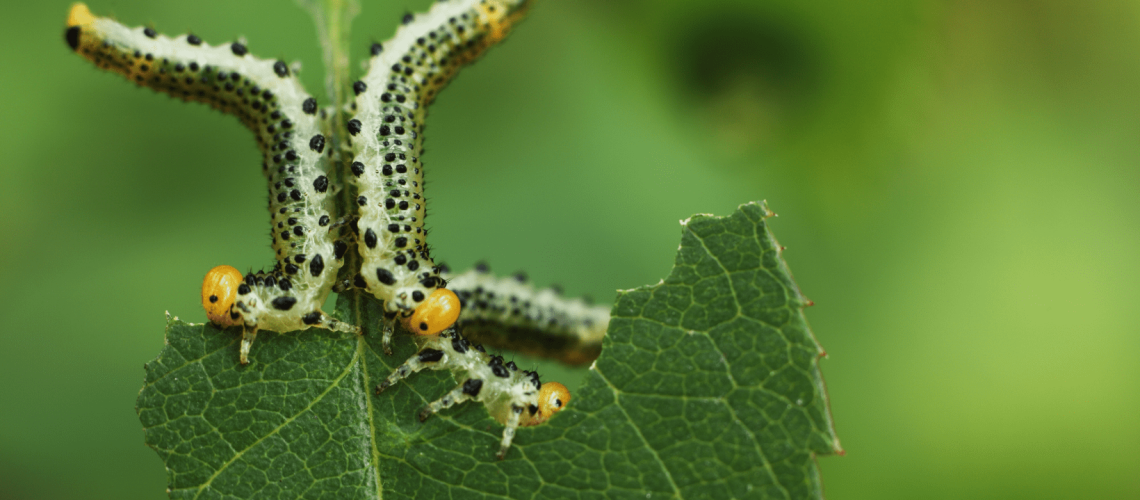
In every garden, not all insects are friendly visitors. While some bugs can be beneficial, others can wreak havoc on your plants, causing significant damage and threatening your garden’s health. Tanya Olsen, third-generation owner of Royal City Nursery and a Professor in the Horticulture Apprenticeship program at Humber College shares with you the most common culprits, the types of damage they can inflict on your precious plants, how to identify them by their telltale signs, plus some effective treatment methods.
Watch our latest video on YouTube to learn more or scroll to continue reading.

Thumbnail image with link to ‘Bugs You’ll Want To Avoid’ video on our YouTube channel.
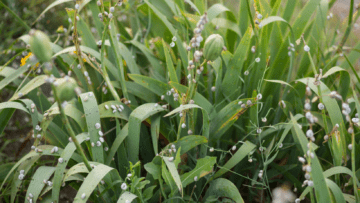
Slugs and snails are among the most common and persistent garden pests, often making an unwelcome appearance in gardens worldwide. These slimy creatures are infamous for their appetite for tender foliage, leaving behind unsightly holes that can mark the beauty of your plants. While both slugs and snails are similar in their feeding habits, a key difference is that slugs lack the protective shell that snails carry on their backs. In essence, a slug is simply a snail without a house!
These pests are primarily nocturnal, emerging at dusk to feed on your plants when the environment is cooler and more humid. During the day, they seek refuge in damp, shaded areas, often hiding beneath foliage, mulch, or garden debris. This nocturnal feeding behavior can make them challenging to detect, as the damage is usually discovered the following morning.
Assessing the Damage
If you notice a few holes in your plant leaves, there’s generally no need to panic. A small amount of damage from slugs and snails is relatively common and won’t typically harm your plants significantly. Most plants can tolerate a few nibbles and will continue to grow healthily despite the minor loss of foliage. However, a large infestation can be problematic, as these pests can quickly decimate young seedlings, delicate plants, and leafy vegetables.
Control and Prevention
When it comes to controlling slugs and snails, several effective methods can help protect your garden. One popular and natural option is diatomaceous earth, a fine powder made from fossilized algae. When sprinkled around plants, it acts as a physical barrier that deters slugs and snails. The powder’s abrasive texture is uncomfortable for these soft-bodied creatures to cross, discouraging them from reaching your plants. Another effective solution is the use of slug and snail pellets. These pellets contain substances that are toxic to these pests, helping to reduce their population.
In addition to these methods, other preventative measures can help minimize the presence of slugs and snails. Regularly removing garden debris and keeping the area around your plants tidy can reduce hiding spots. You can also create barriers using copper tape or crushed eggshells, which slugs and snails are reluctant to cross.
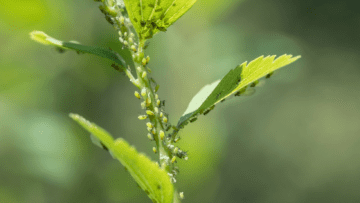
Aphids are tiny, often dark-coloured insects that can appear as small dots on your plants, typically clustering around buds or new growth where the most tender and nutrient-rich plant tissues are found. These pests are equipped with sucking mouthparts that they use to pierce the plant’s surface and extract vital nutrients, leaving the plant weakened and stressed.
Identifying Aphid Infestations
One of the most telltale signs of an aphid infestation is the appearance of curled or distorted leaves. As aphids feed, they siphon off the plant’s juices, causing the affected areas to shrivel and deform. Additionally, the presence of sticky honeydew, a sugary substance excreted by aphids, can attract ants and lead to the growth of sooty mold, further damaging the plant’s appearance and health.
How to Get Rid of Aphids
If you spot a few aphids on your plants, manual removal can be an effective and immediate solution. Gently run your hand along the stems and leaves, starting at the base and moving upward, to squish the aphids. While this method might seem a bit unpleasant, it’s surprisingly effective and can be quite satisfying as you see the pests being dealt with directly.
For a less hands-on approach, a strong blast of water from a hose can dislodge aphids from your plants. Set your hose to the jet setting and spray the affected areas, knocking the aphids off and reducing their numbers. This method is particularly useful for larger infestations and can be repeated as needed.
In cases where aphids have become more widespread, you may need to resort to treatments. Insecticidal soap is a great option for controlling aphids without harming your plants. Another excellent choice is End-All from Safer’s, an organic, canola-based product. The oil in End-All works by coating the aphids, effectively suffocating them. Unlike many other insects, aphids do not have lungs and breathe through their skin, so when an oil-based product covers them, it blocks their respiratory openings and kills them.
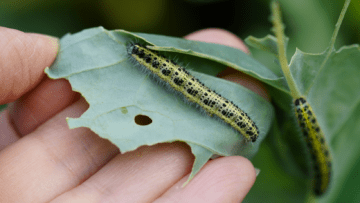
Caterpillars, the larval stage of butterflies and moths, are a common sight in gardens, often seen munching away on leaves with their voracious appetites. While their feeding habits can sometimes cause concern for gardeners, caterpillars play a crucial role in the life cycle of butterflies and moths, making them a unique and fascinating presence in any garden.
To Leave or Not to Leave
In many cases, it’s best to leave caterpillars be, especially if you can tolerate the damage they’re causing. While they may eat a significant amount of foliage, most healthy plants can recover from caterpillar feeding without lasting harm. The presence of caterpillars is also a sign of a healthy, biodiverse garden, as they are an important food source for birds and other predators. Moreover, many caterpillars will eventually metamorphose into beautiful butterflies or moths, adding another layer of beauty and ecological value to your garden.
Managing Caterpillars
If you’re uncomfortable with the amount of damage caterpillars are causing or if they threaten delicate plants, there are gentle ways to manage their presence. One option is to manually remove them from your plants. Simply collect the caterpillars and place them in a bucket of water. This method is humane and prevents the caterpillars from causing further damage. Alternatively, you can relocate them to a less important area of your garden where they can continue their life cycle without impacting prized plants.
Another consideration is the caterpillars’ eventual transformation. In just a few weeks, these creatures will pupate and emerge as butterflies or moths, ready to take flight. For many gardeners, this transformation is a delightful reward for tolerating a little leaf damage. Butterflies, in particular, are not only beautiful but also beneficial pollinators, contributing to the overall health and productivity of your garden.
Encouraging a Caterpillar-Friendly Environment
For those who love butterflies and want to support their life cycle, consider planting caterpillar-friendly plants, known as host plants. These plants provide food and shelter for caterpillars, making your garden a welcoming environment for these future pollinators. Common host plants include milkweed for monarch caterpillars, dill and fennel for swallowtails, and nettles for peacock butterflies.
By embracing caterpillars and the natural processes they represent, you can cultivate a garden that supports a diverse range of wildlife. Even if you choose to manage their numbers, a respectful approach to caterpillars can enhance your gardening experience and contribute to the greater ecological community.
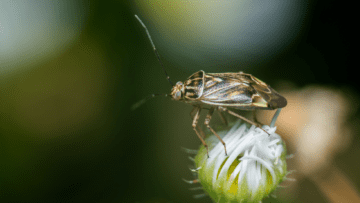
The tarnished plant bug is a pest that no gardener wants to encounter. Known for its destructive feeding habits, this insect can pose a serious threat to your plants. Equipped with both piercing and sucking mouthparts, the tarnished plant bug attaches itself to the leaf, much like a vampire, and proceeds to pierce the plant tissues to feed on the sap. This feeding behavior not only damages the plant directly but also creates entry points for various diseases.
Impact on Plants
The damage caused by tarnished plant bugs can be quite severe. As they suck the sap and bite into the leaf tissues, the plant becomes more susceptible to secondary infections. Common problems include the development of powdery mildew, a fungal disease that presents as a white, powdery coating on the leaves, and rust, which manifests as orange or brown pustules. Both of these conditions can significantly weaken your plants, affecting their growth, appearance, and overall health.
Challenges in Control
Tarnished plant bugs can be particularly challenging to manage due to their ability to fly. Their mobility allows them to spread quickly across your garden, making them harder to target and eliminate. Spotting them can be difficult, as they tend to blend in with the foliage and may be more prevalent on the undersides of leaves where they are less visible.
Effective Treatment Options
One of the most effective treatments for tarnished plant bugs is the use of insecticidal soap, such as End-All from Safer’s. This product is specifically designed to address a variety of garden pests and works by coating the insects with an oil-based solution. Since tarnished plant bugs do not have lungs and breathe through their skin, the oil suffocates them by blocking their respiratory openings. This method is both effective and relatively safe for the environment.
To use insecticidal soap, apply it thoroughly to the affected areas of your plants, making sure to cover the undersides of leaves where tarnished plant bugs often hide. It is crucial to follow the manufacturer’s instructions regarding application rates and timing to achieve the best results.
Preventive Measures
Preventing tarnish plant bugs from infesting your garden can involve several strategies. Regularly inspect your plants for early signs of these pests and maintain good garden hygiene by removing plant debris and weeds that may harbor pests. Additionally, encourage beneficial insects such as ladybugs and lacewings, which can help keep tarnished plant bug populations in check.
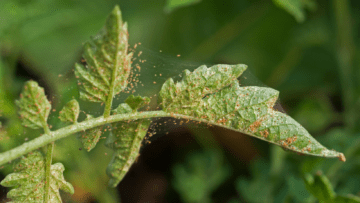
Spider mites are small, sap-sucking pests that can cause significant damage to your plants. One of the most common signs of a spider mite infestation is the appearance of bronzed or yellowed leaves. These tiny arachnids feed on plant sap by piercing the cells and extracting their contents, leading to the characteristic discoloration. Over time, infested leaves may become stippled, dry, and eventually fall off, weakening the plant and hindering its growth.
Identifying Spider Mites
Spider mites are difficult to see with the naked eye, but their presence can often be detected by the fine, silken webs they spin on the undersides of leaves and between plant stems. If you suspect a spider mite infestation, hold a white piece of paper under a leaf and gently tap it; if tiny specks fall and begin to move, you likely have spider mites.
Treating Spider Mites
To effectively treat spider mites, an insecticidal soap like End-All from Safer’s is highly recommended. This product is specifically designed to control a wide range of garden pests, including spider mites. End-All works by suffocating the mites with an oil-based solution that coats their bodies, preventing them from breathing.
Given the rapid life cycle of spider mites, it’s crucial to apply treatments consistently. Spider mites can progress from eggs to egg-laying adults in as little as seven days. Therefore, to break their reproductive cycle and ensure all stages of the mites are targeted, it is advisable to spray your plants every 7 to 10 days. This schedule should be maintained for at least two weeks to cover multiple generations of the pest.
Preventive Measures and Monitoring
In addition to treatment, preventive measures can help manage spider mite populations. Regularly inspect your plants, especially during warm and dry weather when spider mites thrive. Keep your garden clean by removing dead leaves and plant debris, which can harbor mites. Maintaining adequate humidity around your plants can also discourage spider mite infestations, as they prefer dry conditions.
Introducing natural predators, such as ladybugs and predatory mites, can offer biological control. These beneficial insects can help keep spider mite populations in check without the need for chemical treatments.
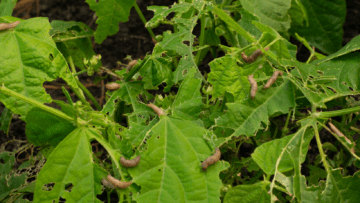
Dealing with bad bugs in the garden can be challenging, but with the right knowledge and strategies, you can protect your plants and enjoy a thriving garden year round. Understanding the signs of pest damage & taking appropriate action is crucial. Whether you choice natural remedies, manual removal, or organic treatments, being proactive and consistent will go a long way in managing these common garden pests.
Our team of experts is always here to assist you. If you’re still unsure how to deal with your pests, feel free to bring a sample of the pest along with a section of the affected plant in a secure, zip-lock bag to the garden centre. We can identify it for you in real-time and provide guidance on the best course of action.
About Tanya Olsen:
Tanya is a third-generation garden centre owner and landscape designer.
Teaches Horticulture Apprenticeship at Humber College in Ontario, Canada.
Has a weekly segment on CTV news.
Has a Bachelor of Landscape Architecture.
YWCA Woman of Distinction.
About Royal City Nursery:
Guelph, Ontario’s only third-generation, full-service garden centre! We specialize in creating custom outdoor living spaces and unique solutions for all your garden, landscape, and seasonal decorating needs! At our new greenhouse, located between Guelph and Cambridge, we are the garden centre of choice for discerning homeowners, landscapers, and designers.