
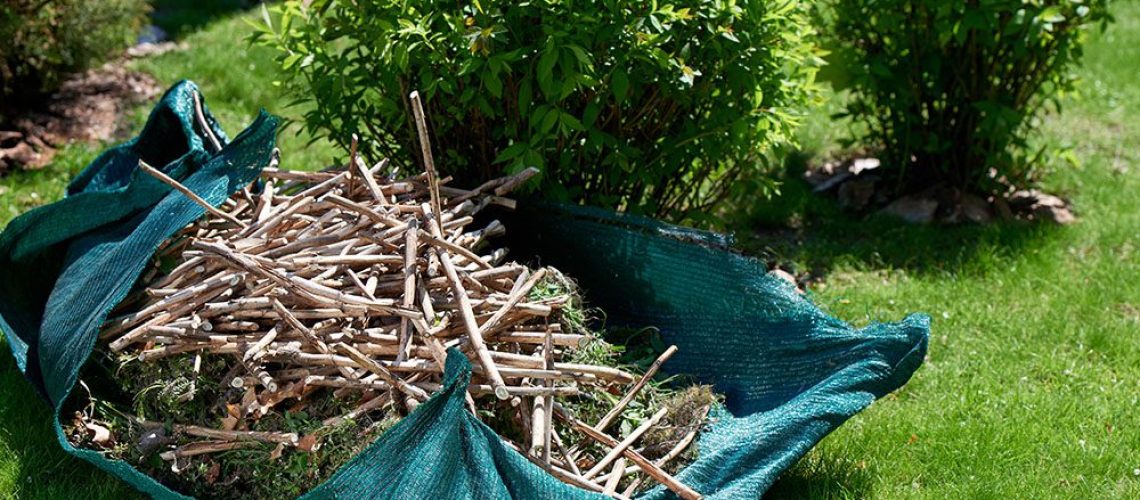
We’re back for another installment of Fall Landscape Care with Tanya! This week, we’re covering pruning—which plants need it, which ones don’t, and how to set them up for a successful spring.
Not everything in your landscape requires fall pruning, but there are a few that can certainly benefit from a little tidying up once temperatures cool down. Here are some landscape plants that Tanya recommends pruning in the fall.

These beautiful, historic trees are known for their plentiful, syrupy sap—and that’s precisely why they need pruning in fall! They’re “heavy bleeders,” which means they leak quite a bit of sap when you make your cuts. In the fall, your trees enter dormancy, and their growth pauses, so they won’t leak nearly as much sap as they do in spring or summer.
If your grocery bags are getting snagged on branches every time you come into the house, you may as well cut them back! There’s a higher risk of damaging your shrubs or trees if you’re always getting tangled in them, so tidying them up is a good idea.
That said, if you constantly have to trim back your plants to keep them within a confined space, Tanya suggests you might need to swap it out with a different plant.
“If you’ve got a shrub that reaches eight feet by eight feet at maturity, and the maximum size it can be in your landscape is four by four, ultimately, you’ve got the wrong plant in the wrong place. If we can actually replace that plant with something that grows to the size you need, then you can reduce your pruning work. It makes it that much simpler.”

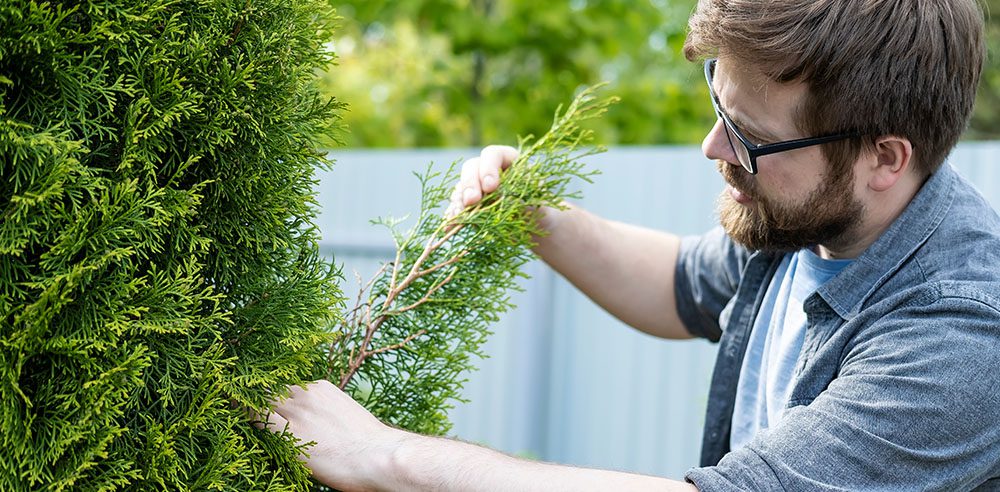
Generally, evergreens don’t require significant pruning beyond removing dead or damaged material and awkwardly protruding branches. If you’re noticing lots of needle loss in the middle of your plant, don’t panic; this is normal, as evergreens tend to shed old needles every 2–3 years, usually around late summer or early fall.
You’ll notice that the branches of your evergreens have a distinct line where needles begin to emerge, and new growth always forms from the branch tips. Never cut past the green tips onto bare wood, or you’ll have a gaping hole! Always make your cuts within the green tips to ensure future growth fills in properly.
To prevent your evergreens from dropping heaps of needles, the best thing you can do is water them thoroughly. While many people turn off their irrigation systems and stop watering shrubs and trees in fall, Tanya insists it’s a great habit to maintain.
“The single biggest piece of advice I have for fall gardening is to make sure you water. Your neighbours might think you’re nuts, but if we get some beautiful 12-to-15-degree days, we need to water. If we can build up the water levels in their leaves before they go dormant for the winter, then next spring, before leaf growth actually happens, they have moisture in their reserves to use. For evergreens, we won’t get as much winter burn and winter kill, so watering later in fall will make March, April, and May that much easier.”
If you’re noticing a significant needle drop from the tips of your evergreens, this may indicate a pest or disease problem. Bring in a photo to Tanya at Royal City Nursery and she’ll help you troubleshoot the issue!
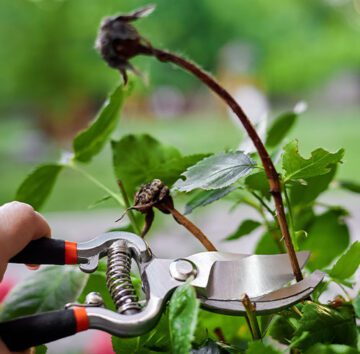
Here’s the thing with roses: they usually die back quite a bit in winter, so you’ll undoubtedly have some pruning to do once the snow melts. In most cases, pruning in fall isn’t necessary. However, a little fall pruning can be helpful if you have a particularly big rose bush!
Winter winds may damage or snap your rose canes, so it’s worth making some cuts to prevent that. You can remove the remaining dead material in the spring to make way for new, fresh growth.
One thing you need to do for your roses in the fall is protect the graft base! You can do this in two different ways:
If you use mulch, you’ll need to apply more because there are bigger air pockets in mulch than in soil. Don’t use leaves—the snow will get heavy, and pack them down, eliminating all the air pockets. Soil and mulch can withstand the weight of snow and won’t compact like leaves.

Some plants don’t need any pruning in fall; it can even inhibit their growth the following year! Here’s what you can leave alone this season.
Spring-blooming plants like lilacs and weigela produce their blooms on old wood. By fall, they’ve already developed their buds for the following spring! If you prune them in fall, you’ll cut off all those buds and have a flowerless shrub.
With fruit trees, Tanya says it’s crucial to get a good idea of the shape and condition of your branches. Waiting until February—when all the leaves have fallen—will make it much easier to see how your tree is growing and what areas need attention.
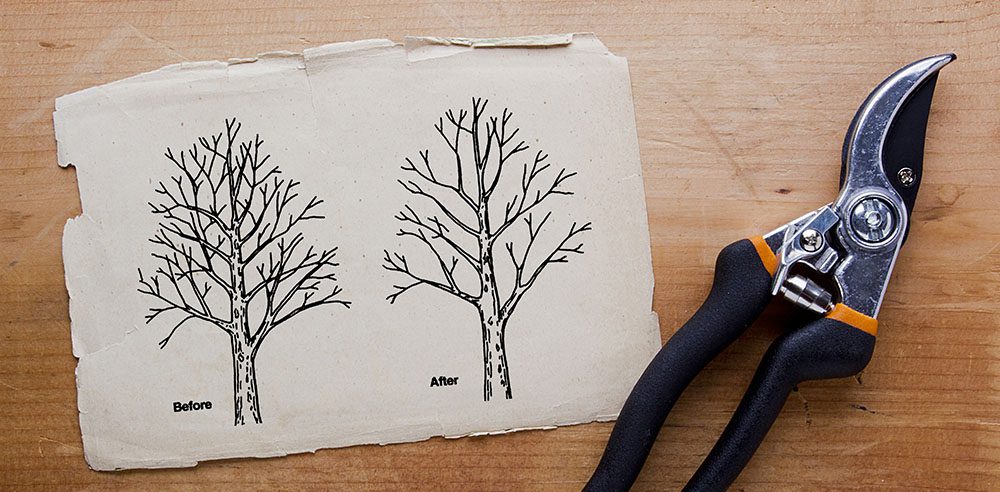
Overall, the manner of your pruning will depend on the natural shape of your plant. A plant that grows outwards will need a different pruning approach than a plant with a columnar, upright habit. Tanya recommends taking several steps back from your plant and assessing the overall shape to plan where to make your cuts. When in doubt, you’re always welcome to bring in a photo of your plant, and Tanya will offer guidance on the best approach.
Don’t be afraid to give plants a good, thorough trim when they need it! Many gardeners are afraid to make big cuts and won’t prune enough out of fear of hurting the plant. Many plants benefit from significant pruning, while others don’t need nearly as much.
Burning bush and spirea can be cut back to half their size with no problem, but others like rhododendrons, lilacs and spireas don’t need much pruning at all. If you’re unsure, we encourage you to come in and ask, and we’ll talk you through it.
Tanya says another common mistake is taking the “buzzcut” approach.
“I can hear my grandfather and my dad in the back of my head when people take a set of hedge shears and just start zipping across a flowering shrub to form it into a ball. If that’s the shape you want, that’s awesome, but the difficulty with doing that is, if we do it a few years in a row, you end up getting all the growth tips at the edge. You lose the shape on the inside, so it doesn’t get the opportunity to actually grow the way you want.
Now, if we’re trying to create a very manicured form, that’s different, and it takes a different type of pruning. But if you’re trying to create a form that looks more natural, then we need to really examine the plant’s natural shape.
A lot of beginners are either nervous that they’re not taking enough, or that they’re going to hurt the plant so they don’t take enough, or they get too excited and they take too much. We just need to find a little bit of a balance in between.”
If you have any other questions about fall pruning in Ontario, give us a call or pop in and say hello at Royal City Nursery! Tanya has a lifetime of experience in the horticulture industry, and she teaches at Humber College, so she’s a fantastic resource for gardeners of all skill levels. Stay tuned for the next installment of our Fall Landscape Care series, where we’ll be covering lawn care and prep before winter!