
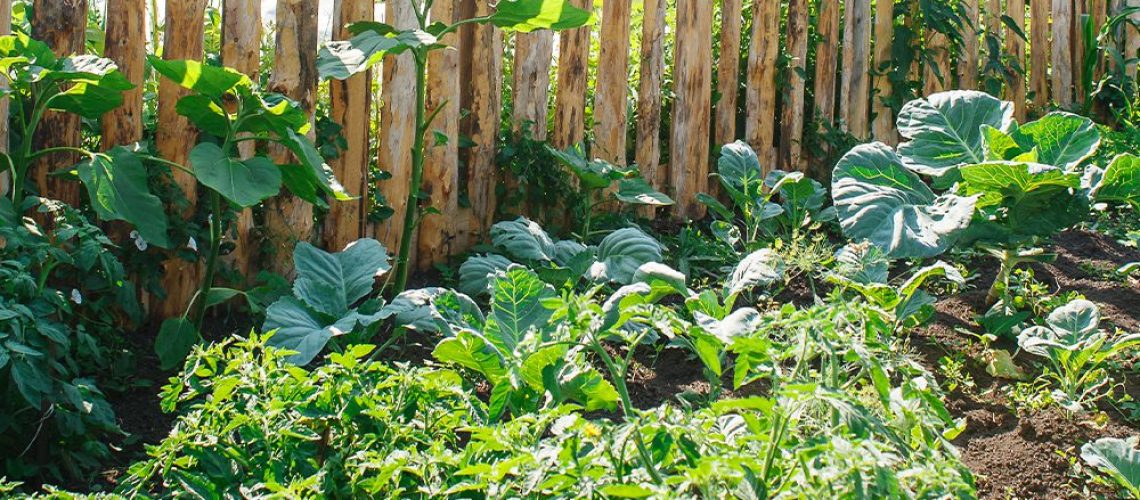
When this spring arrived, our gardens were a much needed refuge from all the craziness. However, summer is about to bring some challenges of its own. It’s crazy humid out, which has been great news for the squash bugs, cucumber beetles, and gypsy moths. (They’re so big this year, they’ve started making headlines!) On top of that, the aphids have begun to explode in our veggie gardens. Yet, I’m as cool as a cucumber (or perhaps a cucumber beetle—they’ve got it pretty good right now!).
Why am I not worried? Simply put, heat and humidity are beautiful things! It’s all part of the cycles of nature, and the resulting pests have a role to play in our world. Right now isn’t the time to panic; it’s the time to understand how to help our backyard ecosystems stay as healthy as possible to weather challenges like pests and disease. Here’s what every gardener—especially beginners!—should know about creating a healthy ecosystem.

I understand it seems like all these bugs are taking over this year. However, as tempting as it may be to reach for a pesticide as a first step, I urge you to reconsider! There are many things that can be done to reduce the insects or disease, well before applying a pesticide. When a pest gets out of control, it’s a sign that something in the ecosystem is off-balance. When we spray chemicals to kill a specific pest (like the gypsy moth caterpillars that are currently feasting on the Maples and Oaks), we may unintentionally also kill other organisms, all of which serve a purpose for keeping the rest of the ecosystem’s balance in check.
This is why I’m passionate about Integrated Pest Management, also known as IPM. IPM is an approach to pest control that focuses on tweaking the ecosystem to support the checks and balances of nature. Some of the techniques we use as part of an IPM strategy include:
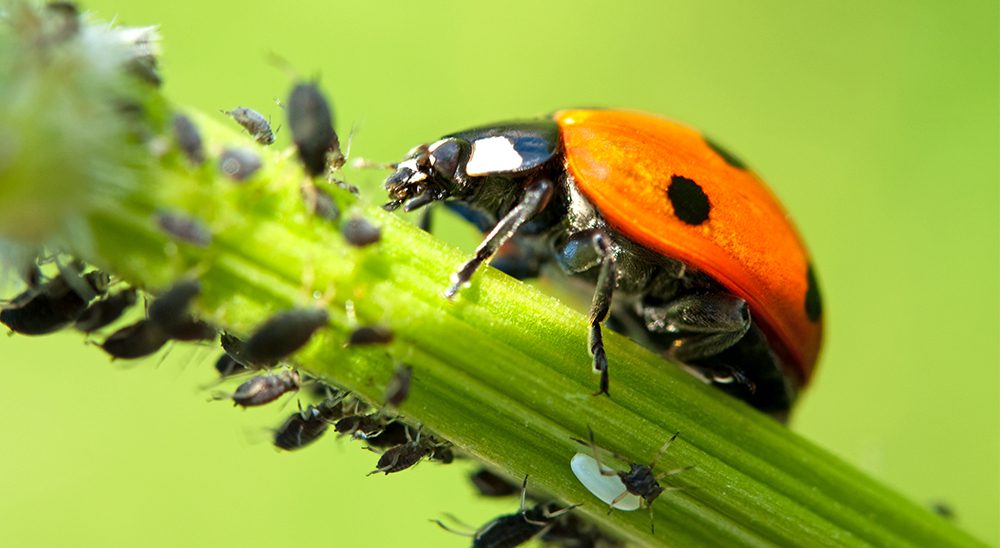
While it might not be your favourite job ever, one of the simplest ways to practice IPM is to pick off pests by hand. A bucket of warm, soapy water and a pair of close-fitting rubber gloves is all you need to attack a cucumber beetle or squash bug infestation without threatening the other critters in your yard. Get your stuff ready, and start picking and flicking those bugs into the bucket!
A pesticide spray may well be part of your IPM strategy, but it is the very last step, when all else fails. However, the IPM way is to ensure you use the right spray, and apply at the correct rates, to minimize the impact on the environment. No matter how bad your infestation is, I invite you to visit us at Royal City Nursery so we can talk through our recommendations. With the right knowledge, sometimes a pest issue is more manageable than you might think.
Like a pest infestation, a disease outbreak is an indicator that something is a little off in the ecosystem. Outbreaks of fungal disease, like powdery mildew, tell us that moisture is not evaporating fast enough from an area. Issues like blights or tomato blossom end rot can indicate an issue with the technique or frequency of watering. Like slugs, pests can also spread disease from one plant to the next—as can improper pruning practices.

Fortunately, this is an area we love to help people with! We’re one of the very few garden centres in the Guelph area to offer diagnostic services for plant diseases. (And pest identification, too, for that matter!) If you’re struggling to identify an insect or a disease, take a sample of affected plant tissue and place it in a sandwich bag to bring to us. Rather than taking chances with treatments that may cause more harm than good, let us have a look first! We can help you zero in on the best, most environmentally-friendly way to manage the outbreak.
One of the under-appreciated cornerstones of a healthy ecosystem is healthy soil. To the untrained eye, all soil probably just looks like dirt. However, the more you learn about your soil, the more you’ll understand the earth beneath your feet is a living, breathing ecosystem of its own.
So, what makes soil “healthy”? In short, lots of organic matter, a diverse array of plants, and plenty of tiny creatures to call the soil home. Each one is equally important.
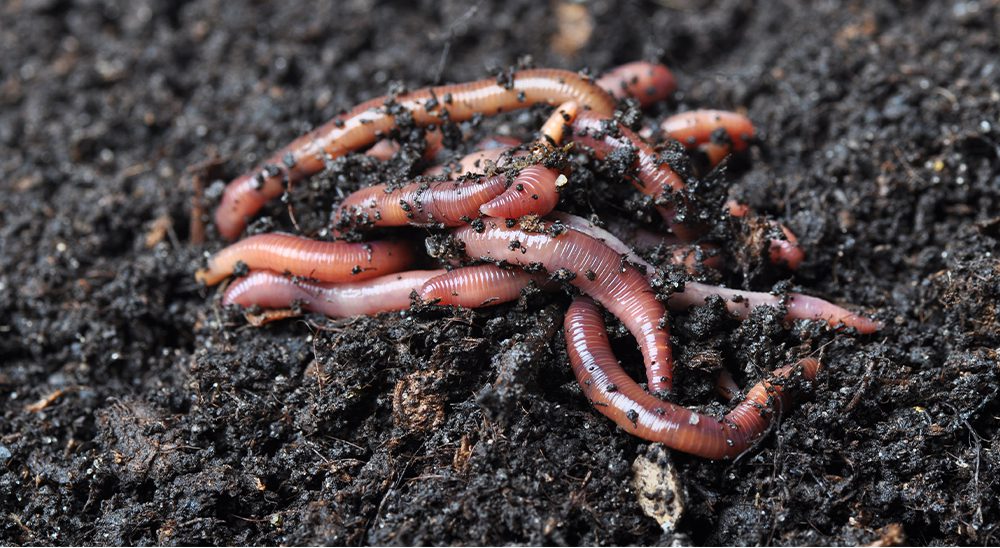
The best part is that encouraging healthy soil is easy! There are simple things you can do to keep your soil in tip-top shape, like:
Native plants are the unsung heroes of healthy landscapes because they serve so many positive purposes. A native plant is defined as a plant that grows in your region naturally. Ensuring you’ve got plenty of native species growing in your yard has benefits like:
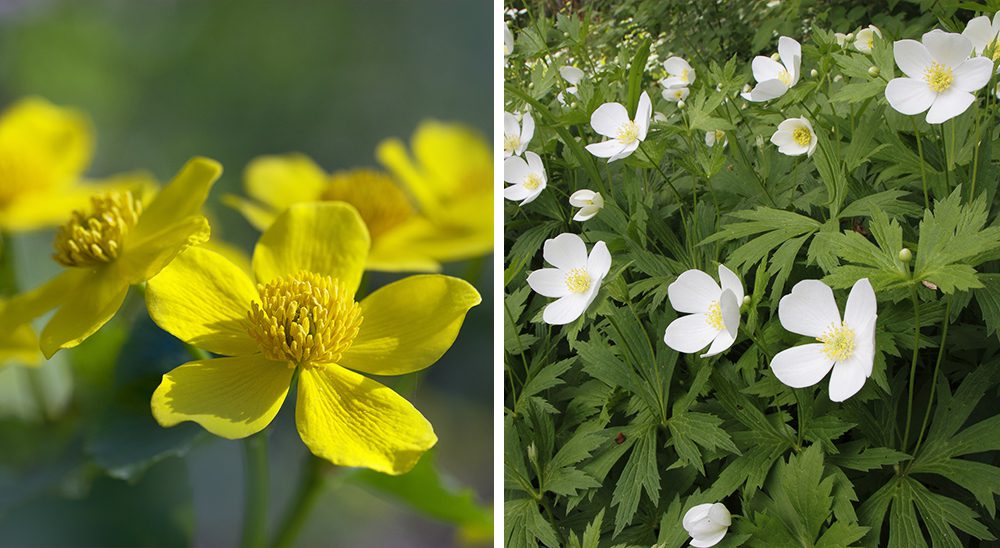
Without native plants, a landscape simply can’t become an ecosystem. A garden rich in native plants requires very little maintenance and is much more capable of self-regulation than a garden planted exclusively with imported plants.
Part of what keeps me passionate about gardening and landscaping is learning how richly intertwined all of these natural worlds really are. If this is your first year gardening, keep going, it only gets more fun from here! There’s so much to learn, and we’ll be right there with you as you grow.