Gardening can seem like a complicated undertaking for a beginner, but if you figure out the basics of sun and how to work with what you’ve got, you’ll have a much easier time. Want to grow your best garden ever in 2022? Here’s a quick crash course in sun-savvy gardening—we’ll cover all the basics, from why plants need sun, to how much they need, and what to do when they’re not getting enough.
Why Do Plants Need Sunlight to Grow?
Plants get energy through photosynthesis, so instead of eating a hamburger to get their daily dose of carbs, they sit in the sun! The combo of sunlight, air, and water triggers sugar production inside the plant. If they don’t get enough sunlight, they won’t have enough energy to grow. Keep in mind, some plants need more sunlight than others, so if your garden is on the shadier side, you can still be a successful gardener if you choose the right plants.
Understanding Sun Exposure Terminology
When you’re shopping for plants, you’ll often see they’re classified under different categories based on what kind of sunlight they like. Here are some of the most common terms you’ll encounter and what they mean:
Full Sun: 6–8 hours of direct sunlight per day
Partial Sun: 3–6 hours of direct sunlight per day
Shade: Under 3 hours of direct sunlight per day—mostly shaded from direct sunbeams, but still exposed to sunlight
Dappled Shade: Underneath a tree canopy where light trickles through
Filtered Light: A sunny window with a sheer curtain or frosted glass
Direct Light: Sunbeams directly hitting the plant
Indirect Light: Away from direct sunbeams, but the space is still brightly lit
Is Full Sun Good For A Garden?
Most vegetable plants and many heat-tolerant annuals and perennials will thrive in a full-sun garden. However, not all plants are suited to that much sunshine, and their leaves may get scorched. Always check what your plant’s sunlight tolerance is before you start gardening!
Signs Your Plant Is Getting Too Much Sun
If your plant’s leaves are getting crispy and brown, that can be either a sign of dehydration or sun scorch. If you’re watering your plants generously, early in the morning, this will help prevent dehydration or overheating. If it’s still looking crispy after you’ve been watering it lots, it’s probably getting too much sunshine. If possible, relocate the plant to a place that gets some gentle morning sunlight and afternoon shade.
Signs Your Plant Needs More Sun
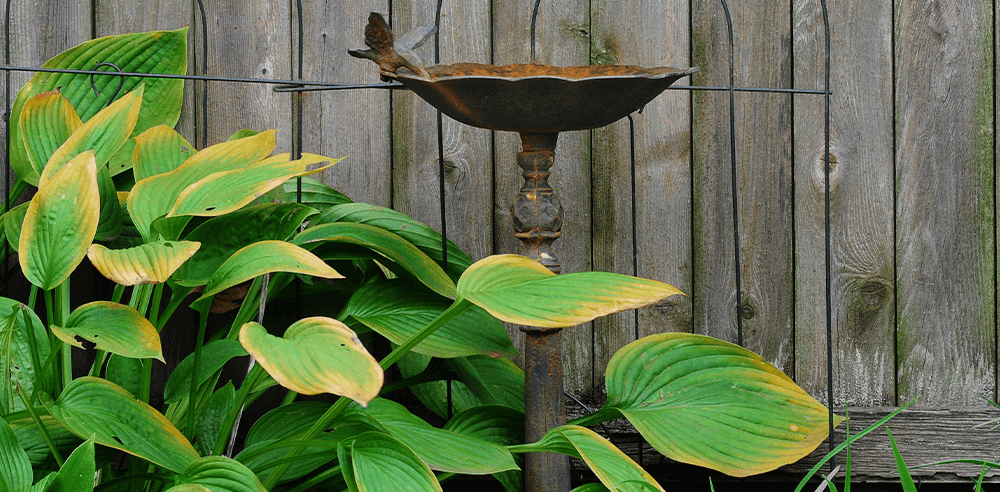
If your plant’s colour is looking dull or yellowish and new growth is long but weak, chances are, it needs some more sunlight. Try to move it someplace brighter, and you’ll see an improvement in growth and colour.
Determining Exposure Outdoors
Sun mapping is a way to understand the light levels in your yard. When you have a day off, go outside once per hour and take note of which areas in your yard are fully lit, partially lit, or fully shaded, and map it out in a journal. The parts that remain fully lit for over 6 hours are full sun areas. If they get 3–6 hours of light or receive dappled sunshine, it’s a partial sun area. If a spot receives less than 3 hours, it’s a shade area.
Determining Exposure Indoors
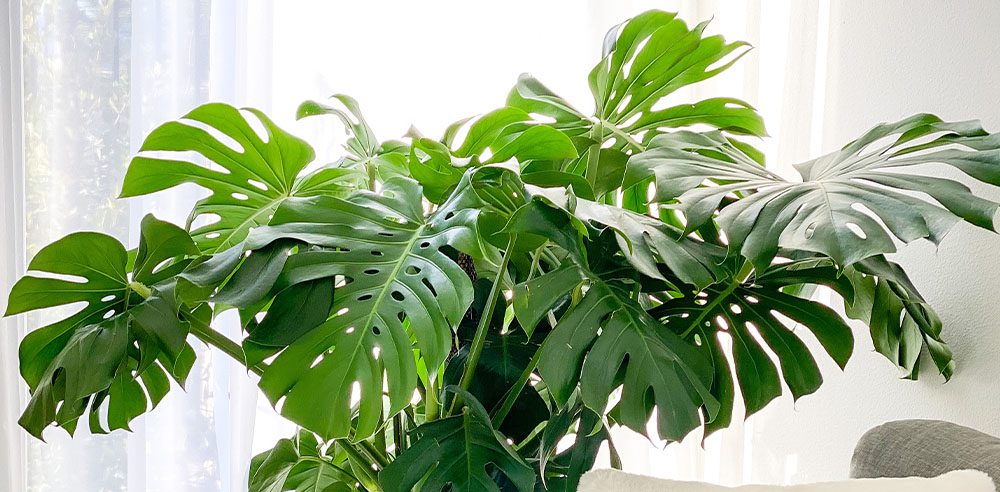
If a houseplant needs lots of direct light, place it in a sunny West- or South-facing window. If a plant needs indirect sunlight—which is often the case for tropical plants like Monstera deliciosa, it will do best in filtered light near a window, or close to a bright window, but out of the way from any direct beams. Low light plants still need some light, so you’ll need to put them in a room with a window, but it doesn’t need to be super bright.
We hope our 2022 sunlight guide helps make gardening simpler for you! If you need any help picking out plants that are compatible with the sun levels in your home or garden, visit us at Royal City Nursery! We’ve got a fantastic selection of plants for shady gardens, sunny gardens, and everything in between.