
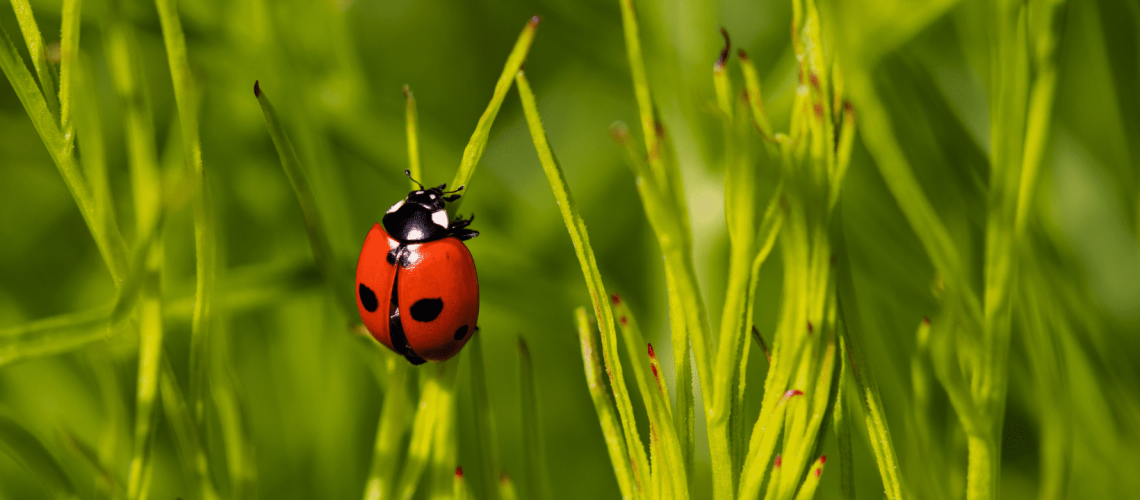
Did you know that some bugs can actually help our gardens and yards thrive? By attracting beneficial insects, we can enhance the health and vitality of our outdoor spaces in numerous ways. Tanya Olsen, third-generation owner of Royal City Nursery and a Professor in the Horticulture Apprenticeship program at Humber College, shares her insights on why you should welcome these helpful creatures into your garden.
Watch our latest video on YouTube to learn more or scroll to continue reading.

Thumbnail image with link to ‘Welcoming Good Bugs Into Your Garden’ video on our youtube channel.
Believe it or not, there are some really beneficial bugs we want to bring into our gardens. These insects play crucial roles in maintaining the ecological balance, controlling pests, and pollinating plants. The good news is that attracting them is relatively easy if you create the right environment. Planting plants that pollinator insects love, is a fantastic way to start. Flowers such as coneflower, dianthus, hyssop, zinnia, cosmos, balsam, and sunflowers are all excellent choices.
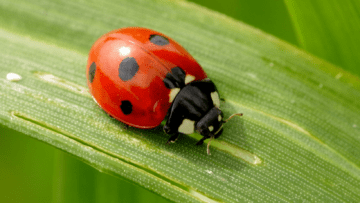
One of the most common beneficial bugs you’ll see in gardens year after year is the ladybug. Ladybug nymphs are voracious eaters of aphids, consuming up to 300 aphids a day! By having ladybugs in your garden, you can naturally keep the aphid population in check without resorting to chemical sprays.
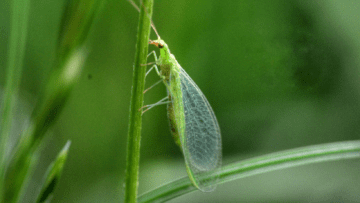
Lacewings are another beneficial insect that we want in our gardens. These delicate-looking bugs are actually fierce predators of aphids, as well as other soft-bodied pests like mites and whiteflies. Encouraging lacewings to settle in your garden can significantly reduce the number of harmful insects, making your gardening tasks easier and more organic.
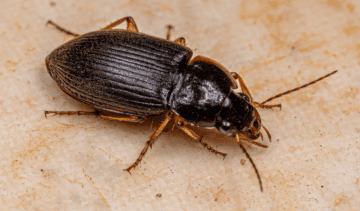
These nocturnal predators feed on pests like caterpillars, slugs, and snails. Ground beetles inhabit diverse environments and often seek shelter during the day under leaf litter, rocks, and logs, emerging at night to hunt. Their predatory habits help reduce agricultural pests and garden nuisances.
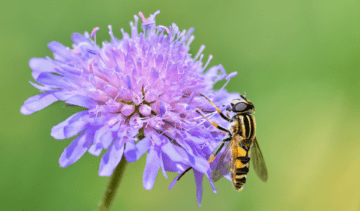
Often mistaken for bees or wasps, hoverflies are harmless to humans and primarily feed on nectar and pollen. Their larvae prey on aphids, thrips, and other soft-bodied pests, making them beneficial for controlling garden pests. Hoverflies aid in pollination and are recognized by their bright colors and hovering behaviour.
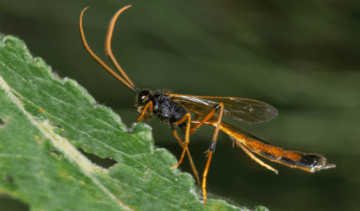
These wasps lay their eggs on or inside pests like caterpillars and aphids. The larvae feed on the host, eventually killing it. Parasitic wasps are highly specialized, targeting specific pests, making them valuable for biological control without harming beneficial insects.
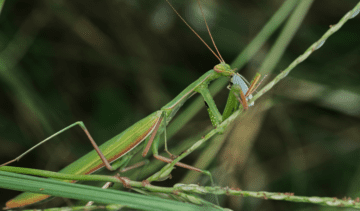
Though not native to Ontario, praying mantises are sometimes introduced for biological control. They prey on various insects, relying on stealth and patience. Known for their “praying” stance, they can quickly strike at passing prey with their spiny front legs.

These mites feed on pests like spider mites, thrips, and aphids. Predatory mites lay eggs near pest populations, and their larvae immediately start feeding on pests, helping to control their populations effectively.

To entice these helpful insects into your garden, it’s important to provide a hospitable environment. Here are some tips to make your garden more attractive to beneficial bugs:
By attracting beneficial insects like ladybugs and lacewings, you’ll reduce the need for sprays & pesticides, leading to a healthier and more sustainable garden. These insects do the pest control work for you, allowing you to enjoy a thriving garden with less effort.

Incorporating a variety of plants and providing a supportive environment for these good bugs can transform your garden into a vibrant ecosystem. So, get started today and create a garden that welcomes and nurtures the good bugs. Visit our garden centre to find your pollinator-friendly plants and let our team of experts help you choose the perfect fit for your garden.
About Tanya Olsen:
Tanya is a third-generation garden centre owner and landscape designer.
Teaches Horticulture Apprenticeship at Humber College in Ontario, Canada.
Has a weekly segment on CTV news.
Has a Bachelor of Landscape Architecture.
YWCA Woman of Distinction.
About Royal City Nursery:
Guelph, Ontario’s only third-generation, full-service garden centre! We specialize in creating custom outdoor living spaces and unique solutions for all your garden, landscape, and seasonal decorating needs! At our new greenhouse, located between Guelph and Cambridge, we are the garden centre of choice for discerning homeowners, landscapers, and designers.