The moment spring arrives, gardeners in Guelph emerge in a flurry of landscape cleaning like never before—but now that it’s October, do we really need to do anything? If you’re asking yourself this question right about now, you’ll love this month’s preparing your garden for winter blog!
What to Do Now in the Guelph Garden for Fall
Now that it’s officially fall, you can safely start to think about winterizing your landscape. Sure, we’re still planting bulbs and probably transplanting perennials and their divisions, but we want to be aware of that first frost coming to Guelph and be prepared. October is really about protecting your plant stock, and we’re at a point where we don’t really advise people to do a lot of fall clean up anymore. So what does that mean?
It means we’re not going crazy the same way we do in the spring, but we’re doing these important things to protect the garden from winter and ensure better health next year. Let’s dig right into October in the garden and find out what I’m putting on your to-do list this month:
Removing Debris & Dead Plants
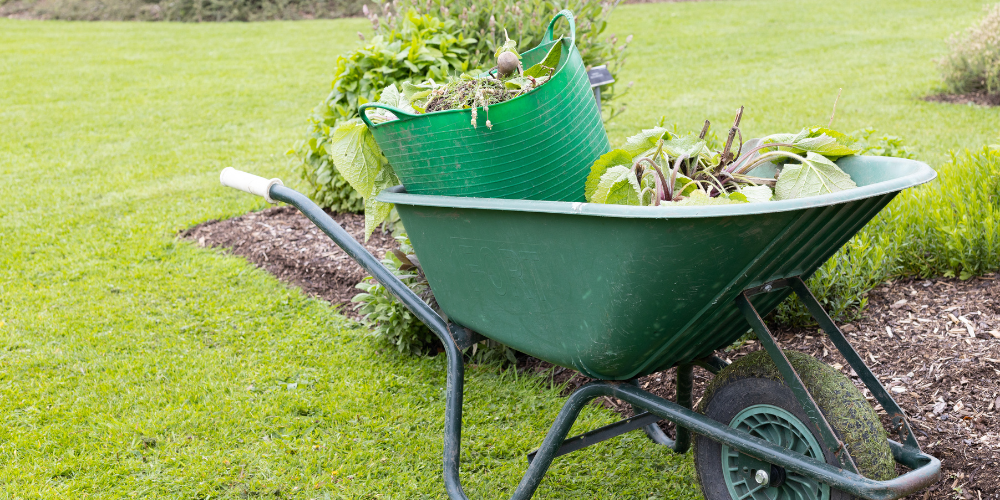
Many of our favourite plants have finished flowering at this point, or at least are on their way out for the season. This obviously means some dead and dying plant matter is lying around, and removal is an important step in fall lawn care and garden prep. This not only keeps your garden looking tidy, but also prevents mould and rot from growing beneath the fallen leaves.
Raking Leaves & Yard Cleanup
Speaking of fallen leaves, I absolutely love how pretty they look in Guelph! Beyond the visual appeal of raking them up, It’s also vital to maintain your lawn’s health.
Pruning & Cutting Back Perennials
If you’ve got perennials that are ready for a winter nap, some will need to be cut back close to the ground for good health and a tidy appearance—especially if they tend to go on the slimy side. Other perennials, like sedums, coneflowers, and black-eyed Susans, we want to leave up to create habitat for the pollinating insects. When we look at a stem or a stalk that’s hollow, we can get some beneficial insects and bees that might hibernate there. By leaving seed heads up, you also have something to add texture to the garden over the winter, and you’ll get a much better winter survival rate as the stems trap snow and create insulation.
Close Your Pond!
Now is also the time to get your pond ready for the cold season. Watch Dave’s very informative, step-by-step video!
If you want a garden that thrives year-round in Guelph’s climate, enriching your soil with organic matter such as composted manure or Biosol is a must. This nutrient boost enhances your plants’ resilience to winter conditions.
Mulching to Protect Soil
Mulching is a gardener’s best friend when it comes to winter garden maintenance. It insulates the soil, prevents temperature fluctuations, and reduces weed growth in the spring.
We tend to get mildew and blackspot issues in Guelph that can persist even during the colder months. We need to be ready to tackle these issues quickly to prevent them from becoming a more significant problem in the spring. We recommend using Garden Fungicide or Garden Sulphur directly on the soil to combat fungal spores from persisting to next year.
Lifting Tender Tubers
Some spring planted tubers—such as dahlias—will want a break from the colder days and nights, and now is the time to make sure to lift your tubers. After they have been hit by a frost, pull them from the soil, let them dry, clean off any remaining soil and store for winter in a cool dry location..
October is one of those months when we should be preparing the garden for winter in Guelph, so let’s make plant protection a priority with these end-of-season chores.