Winter is Coming! Get Your Garden Ready with These Last-Minute Tips from Tanya
Get your long John’s ready, Ontario—winter is coming! It’s hard to believe we’re thinking about frost in Guelph already, but here we are, ankles deep with winter-prepping in the garden. I’m going to give you my best last-minute tips for getting your landscape ready in just a moment, but first I want to tell you why you’re going to all of this trouble in the first place.
Why Do I Need to Winterize My Guelph Garden?
Living in Ontario means it’s going to be cold at some point or another. Sure, nature is pretty amazing on its own, and knows how to take care of itself in many peculiar and interesting ways, but because we like growing things not necessarily adapted for the cold climate year-round, winter preparations are a must!
The freezing and thawing cycles of Canadian winters, along with occasional snow storms, can wreak havoc on your garden. With a little care and planning, you can protect your plants, improve their chances of survival, and even set the stage for a more successful growing season when the warmer days return!
What Does My Garden Need Right Now?
The first step in preparing your garden for winter is to take an honest assessment of its current condition. I like taking walks through the garden and looking for any signs of distress or weakness in my plants. Are there any damaged branches or disease-ridden leaves that need attention? Identifying and addressing these issues now can prevent them from worsening during the winter months. If you do spot anything that’s past its best, get rid of it promptly to avoid spreading mould.
Evaluating Plant Health and Garden Structures
When we’re talking about a garden’s health in the fall and going into the dormant winter season, I always recommend a thorough evaluation of your garden’s plant health and structures. Some key considerations include:
Timing:
Timing is essential when it comes to winterizing your garden. While it may be tempting to wait until the last minute, it’s best to start early, ensuring your plants are well-prepared for the cold season. This is also the last week to treat your plants with dormant spray, which is a critical step in preventing pests and diseases from taking hold during the winter.
Pruning and Trimming:
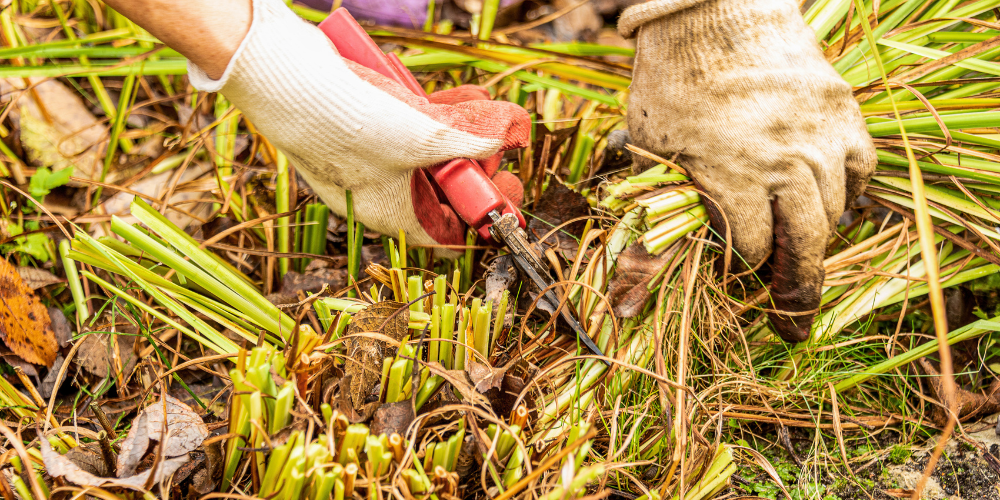
Pruning and trimming are vital tasks in winter preparation. Removing dead, damaged, or diseased branches not only improves the appearance of your garden, but also prevents diseases from spreading. When we talk about what you’re pruning back, the one thing we advocate is to leave your perennials. Anything like ornamental grasses, coneflowers, black-eyed Susans, and sedum. If they’ve got seed heads, leave them all! Those are going to give you winter food for the small birds, and also provide a little bit of extra leaf litter at the base of the plant, which is very good for pollinator insects over winter.
In addition to protective measures, consider cutting back perennials that tend to become slimy (such as hostas) during the winter months. Removing diseased leaves and debris from your garden and landscape is essential in preventing diseases from overwintering and re-emerging in the spring. For me, it’s all about making your spring a lot easier to deal with by taking care of the dirty work now.
Winterizing Trees and Shrubs
Your trees and shrubs are among the most vulnerable plants during the winter months. Here’s what I want you to do to protect them:
Pest Protection
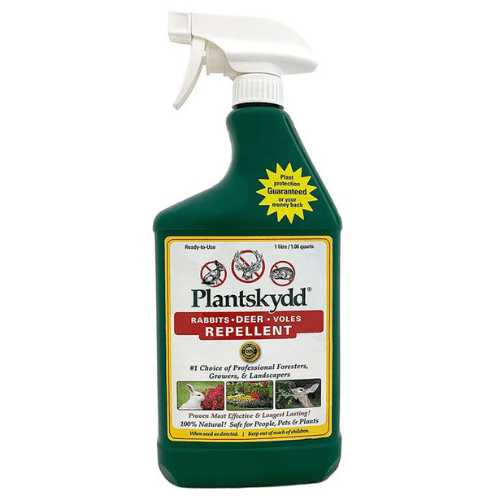
When we’re thinking about rodents and other winter wildlife in the garden, remember that they can reach much taller than we often think! Mice, for example, travel under the snow, and rabbits travel on the top. What about the deer? The deer will stand on their back legs, so anybody with cedars will tell you that everything under eight feet is going to be naked because the deer will eat through it. For protection from wildlife, we carry a product called Plantskydd, it works on a fear-based response as the odour of blood will send most rabbits, mice, and deer looking for a safer place to feed.
Wrapping
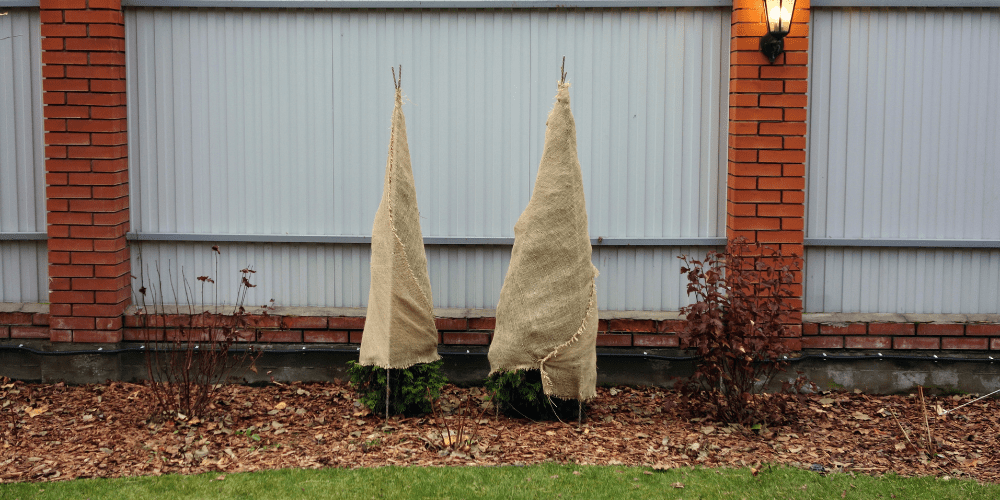
Burlap provides insulation and shields the evergreens from harsh winter conditions. It acts as a windbreak, reducing the drying effect of cold winds and helping to maintain a more stable microclimate around the plants. This is especially crucial during the first winter after planting, when the evergreens are still establishing their root systems.
Don’t forget to wrap your junipers, too, or any evergreen that grows up like a column. Take a piece of jute and tie it to the bottom of the branch, spiralling all the way up to prevent them taking a hit and opening up at the tree top. I also like to emphasize the importance of hilling or mounding any butterfly bush and coreopsis right now, as well as hilling your roses at least 12” high with soil to protect from freezing.
Antitranspirant Spray
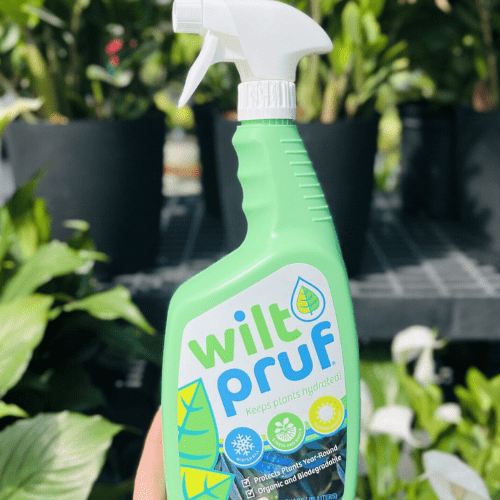
For boxwood, yews, and other evergreens—including Rhododendron and Holly—I recommend using Wilt-Pruf to minimize moisture loss. This reduces the plant’s ability to transpire, which naturally reduces the ability for the plant to get burnt over the winter.
Now is the time to kickstart your winter garden preparation in Guelph that will have far-reaching effects into next springtime. Remember to stop by Royal City Nursery for those winterizing supplies, and be sure to stop by our Holiday Open House this weekend to set your holiday ho ho ho’s in motion!