
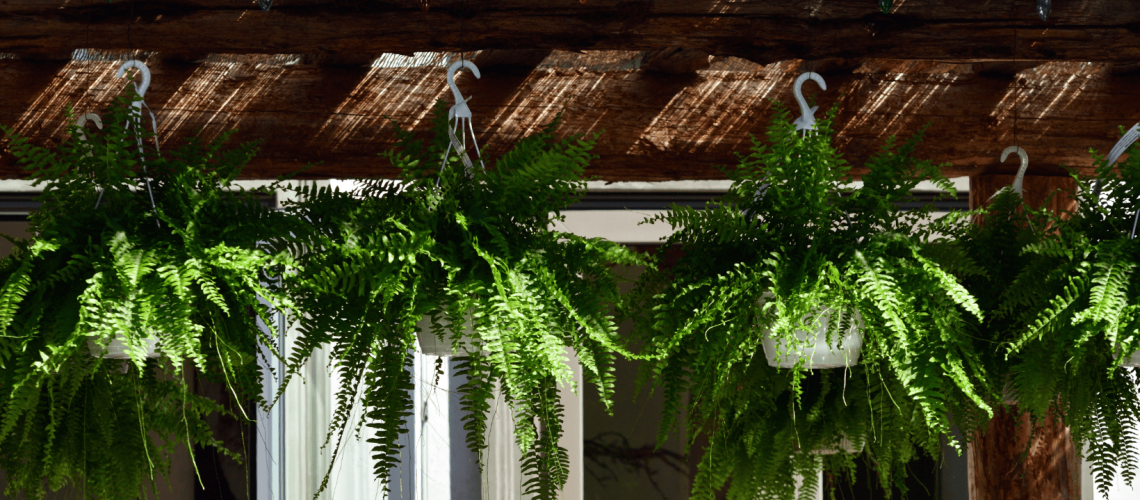
As the days grow shorter and the nights cooler, we’ll soon be spending more time indoors than outdoors. Now is the perfect time to start preparing to bring our plants inside. Turning our homes into a tropical paradise to brighten up our lives throughout the fall season is a great way to keep our green thumbs busy. Tanya Olsen, third-generation owner of Royal City Nursery and Professor in the Horticulture Apprenticeship program at Humber College, shares her top tips for bringing your houseplants indoors this September. She also suggests a few plants you might consider adding to your space to keep it vibrant and lush throughout the autumn months.
Check out our latest YouTube video on ‘Four Sun Loving Tropicals’ or scroll to continue reading.

Thumbnail image with link to ‘Four Sun Loving Tropicals’ video on our YouTube channel.
The nights are starting to get colder, and as we move into September, it’s time to take action. First, keep an eye on the weather. When nighttime temperatures consistently drop to below 10°C, it’s time to bring your tropical plants indoors. Plants like Boston Fern, Croton, and Cat Palms, often enjoyed outdoors during the summer, need a smooth transition to indoor life. Boston ferns, which thrive in low light, should first be moved from the front of the porch to a more shaded spot at the back for a few days before slowly introducing them indoors. This gradual acclimatization will make for a healthy transition. The same goes for Crotons and all other tropical plants you want to transition indoors.
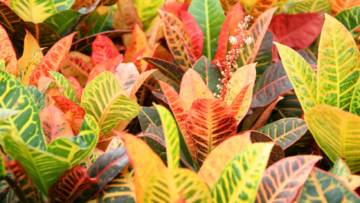
After transitioning your plants, Tanya recommends spraying them with a good insecticide. Products like the organic End-All by Safers or Doktor Doom’s Indoor Plant Spray works great. Spray the plants twice, about 7 to 10 days apart, to not only target adult pests but also their eggs. The last thing you want is to do is bring unwanted pests inside, which could harm your existing plants in your home. To apply, spray the leaves until they’re nearly dripping and then leave the plants in the shade for a few hours. Repeat the process a week later, and your houseplants should be ready to come inside.
You don’t need to go overboard with the pruning if your plants haven’t had much growth this season, but it’s a good idea to trim away any broken branches and dead or dying leaves. When pruning, avoid cutting no more than 1/3rd of the plant to ensure healthy regrowth.
If your plant needs repotting, choose a pot that’s one to two inches larger than the current one. Fresh soil not only provides essential nutrients but also helps keep unwanted pests from coming indoors with your plants. However, re-pot only if necessary—otherwise, the best time for repotting is in March, when the days are getting longer and plants begin to wake up for the season. It’s important not to strip the soil off the roots (i.e. bareroot and then re-pot), as this is more likely to harm or kill the plant.
To further protect your plants, we recommend treating them with an insecticide before bringing them inside. This helps deal with pests, including those that may have laid eggs in the soil.
Once your plants are moved inside, it’s important to adjust their care for the winter months. Since many plants enter a period of dormancy, they won’t need as much water as they did outdoors, and you can hold off on fertilizing until spring. However, their light requirements remain the same.
As we welcome a new season, it makes sense to welcome a new plant or two into our homes. Tropical, sun-loving plants are a fantastic option, adding vibrancy and life to our living spaces during the autumn months. Here are a few of our current favourites that we currently have in the tropical greenhouse:
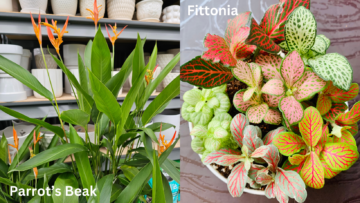
The Parrot Beak, or Heliconia rostrata, is a stunning tropical plant that brings a burst of colour to any indoor space—plus, its flowers are super cool! Its unique, curved blooms resemble a parrot’s beak, giving it its whimsical name and making it a focal point in any plant collection. Thriving in bright light, the Parrot Beak loves a warm, humid environment, so be sure to place it somewhere sunny. To mimic humidity, regularly mist the plant or place a humidifier in the room. Its lush, broad leaves and striking flowers will create a lush, exotic ambiance in your home this fall.
The Fittonia, also known as the Nerve Plant, is a charming and versatile houseplant that brings a pop of tropical colour to any space. Its striking variegated leaves, with delicate pink and white veins set against deep green foliage. This low-growing plant thrives in bright, indirect light and appreciates high humidity, making it ideal for indoor settings. It works beautifully in terrariums or alongside other moisture-loving plants. Its compact size makes it a perfect choice for adding a touch of nature to desks, shelves, or small spaces. With its stunning foliage and easy-care nature, the Fittonia is a fantastic addition to your home this season.
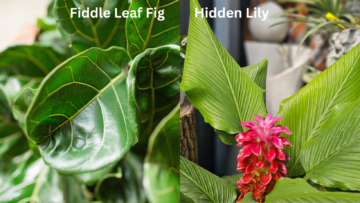
We all know and love Fiddle Leaf Figs! The Fiddle Leaf Fig (Ficus lyrata) is a cherished indoor plant, famous for its large, violin-shaped leaves that add a dramatic touch to any room. Its glossy, deep green foliage, with a prominent central vein, makes it a true showstopper. Fiddle Leaf Figs thrive in bright light but are sensitive to drafts, so placement is key. They prefer consistent watering and well-drained soil to maintain their vibrant appearance. Whether in a living room or office, these plants make a striking statement, loved by both plant enthusiasts and interior decorators. Add one to your collection this fall!
If you’re looking to advance your houseplant skills, the Fiddle Leaf Fig is a rewarding choice that offers a bit of a challenge for more experienced gardeners.
We’re so excited to finally have the Hidden Lily (Curcuma petiolata) in stock! This striking tropical plant is prized for its exotic, cone-shaped blooms that rise above its lush, green foliage. What makes this plant especially unique is how its flowers “hide” among the leaves, and colourful bracts, giving it an enchanting and mysterious quality. The Hidden Lily thrives in bright light and requires warm, humid conditions to truly flourish. Borne from a rhizome (often mistaken for a bulb), the Hidden Lily can be cut down after the first frost. You can store the rhizome, keeping it slightly moist in a cool, dry location, or pot it indoors with enough light and moisture to bring a touch of tropical elegance to your home. The Hidden Lily, is an excellent choice for plant lovers seeking a bold, beautiful statement piece for their collection.
Whether you’re transitioning your tropical plants from the patio or welcoming a new one into your home this fall, their vibrant foliage and blooms are sure to brighten up any space. To ensure your tropicals thrive, pay close attention to their specific needs—consider their light, water and humidity requirements. Each plant has its own ideal environment, and placing them accordingly will help them flourish and bring out their full beauty.
If you need any guidance or are looking for new additions to your plant collection, visit us at Royal City Nursery. Our team of experts are ready to help you choose the perfect plants and provide tips on their care to ensure they enhance your home all season long. Embrace the tropical charm and enjoy a lush, inviting atmosphere at home this fall.
About Tanya Olsen:
Tanya is a third-generation garden centre owner and landscape designer.
Teaches Horticulture Apprenticeship at Humber College in Ontario, Canada.
Has a weekly segment on CTV news.
Has a Bachelor of Landscape Architecture.
YWCA Woman of Distinction.
About Royal City Nursery:
Guelph, Ontario’s only third-generation, full-service garden centre! We specialize in creating custom outdoor living spaces and unique solutions for all your garden, landscape, and seasonal decorating needs! At our new greenhouse, located between Guelph and Cambridge, we are the garden centre of choice for discerning homeowners, landscapers, and designers.