The plants in your garden and the ones in your living room aren’t so different—plants are plants, after all. The main differences between outdoor and indoor plants are the climates they’re comfortable growing in, and whether those conditions can be mimicked in your home. As it turns out, a lot of the plants we typically enjoy outdoors do very well making the switch to indoor life. This allows you to enjoy the greenery through all four seasons, and in some cases, it allows you to hold onto tender perennials (which wouldn’t otherwise survive our winters) for a few more years. Here’s the scoop on growing outdoor plants indoors.
What Outdoor Plants Can Grow Indoors?
There’s a surprisingly long list of plants that can be kept either indoors or outdoors, but each of them still come with their own preferred growing conditions. For example, if you move a citrus tree indoors, it will still need to live in the sunniest, coziest place in your house to do well. Here are a few that do well growing indoors or outdoors, provided their needs are met.
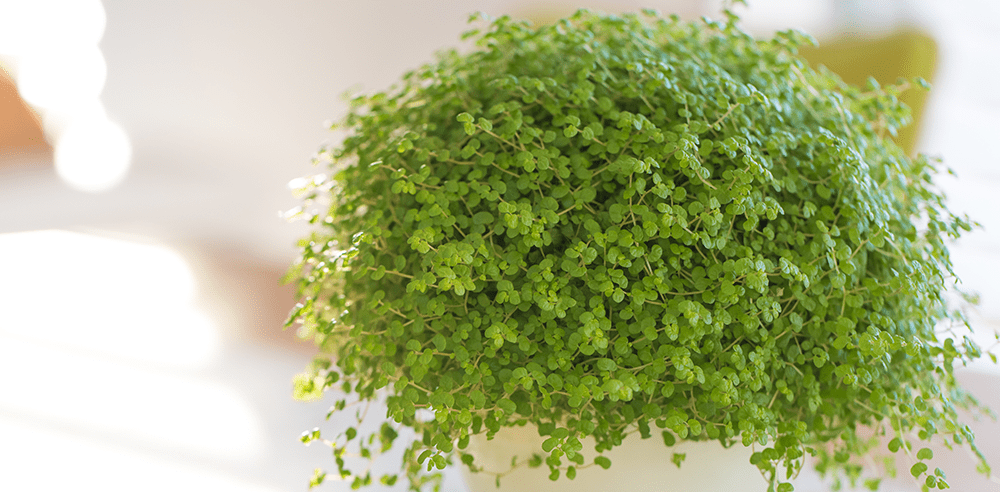
Baby’s Tears
Hibiscus (tropical)
Begonia
Impatiens
Boston Fern
Jasmine
Bougainvillea
Lady Fern
Caladium
Lantana
Citrus
Mandevilla
Coleus
Oxalis
Fuchsias
Palms
Geraniums
Sedum
Herbs
Sweet Potato Vine
Growing Outdoor Plants Indoors Through Fall and Winter
The natural behaviour of your outdoor plant will determine the best way to keep it growing indoors through the cold months. As sunlight hours dwindle, most naturally enter a period of dormancy. Their growth will slow down or stop completely, and some may drop leaves or look a little dull. The key to growing indoors is to replicate the fall and winter conditions of their native environment as closely as possible. For example, tropical full-sun plants like jasmine will need extra humidity and likely also a supplemental grow light to thrive through short, overcast days and dry indoor air.
You may find that plants with more tolerance for shade, such as begonias, coleus, ferns, and oxalis, are some of the most adaptable to indoor conditions. Whether they started as indoor or outdoor plants, the end of the growing season means your care routines will need to change. You can read more here on fall and winter houseplant care.
How to Transition Outdoor Plants Inside
Moving plants indoors or outdoors needs to be done slowly; they will need some time to adjust to their new growing conditions! To transition them indoors (including houseplants you brought outside earlier this year), start these steps a few weeks before the first frost, while the weather outdoors is still fairly warm:
Move all plants you plan on growing indoors to a shady outdoor location; this will help them adjust to the reduced sun exposure inside.
After two days, move the plants indoors into a room where you’re not keeping any other houseplants. Keep them inside for a few hours during the day and then move them back outside.
Repeat this cycle for a week, adding a few hours each time until they are spending the whole day indoors.
After the first week, allow them to stay indoors through the night.
Once they are all spending days and nights indoors, inspect each plant and treat for pests (as needed) over another few days.
When you’re confident that they are pest-free and well-adjusted, move them to their new location in your home!
Plants are surprisingly resilient, so even an imperfect transition is rarely the end of the world for them. However, if a few don’t quite manage the adjustment, there are plenty more where they came from. Stop by our Guelph garden centre—we’re open through all four seasons!—or browse our assortment of houseplants, pots, and accessories in our online shop.