

It’s no secret that Guelph’s weather can be challenging, and nobody’s going to blame you for wanting to skip out on lawn care when it’s getting cold outside. However, the good news about September is that the weather is still really good, and this summer’s steady rainfall has gifted our grass with some glorious glistening green colour. Here are my favourite ways to make the most of your luscious lawn this fall and prepare it for a restful winter and healthy return next spring!
If you want your green grass to stay that way next year, start with these awesome fall tips to keep the magic growing:
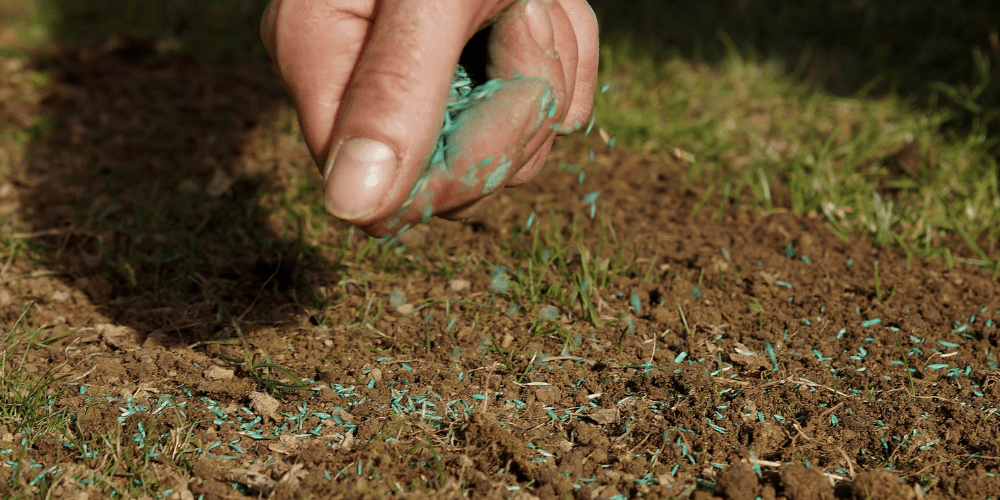
Overseeding is one of the best things you can do for your lawn this fall. Not only will this fill in bare spots, but it will improve the overall density of your lawn and enhance its ability to resist pests, diseases, and weeds. Plus, it’s super easy! Here’s how to do it right with my Guelph lawn overseeding tips:
If your lawn is thin and patchy, give it a good raking before overseeding to get rid of any thatch buildup. Once you’ve done that, put a little bit of soil down. This is where you need to be a bit careful; soils specifically designed for seeding and sodding have a slightly different pH balance than other commercially-available soil mixes, along with a tiny bit more sand to help with drainage, so make sure you pick up the right soil for the job. Personally, I love using the Viva Lawn mix for my lawn repair!
Another thing we want to think about when overseeding is whether your grass is in the sun or the shade. Like many other plants, different grass varieties will have different sun and shade requirements, so make sure you choose the right seed blend for your unique lawn layout. If you’re looking for a sun blend, I recommend choosing one that doesn’t have any Kentucky bluegrass due to its pest issues. Whether it’s the webworms, the chinch bugs, the white grubs or Japanese beetles, they all love bluegrass! Either our Deluxe Overseed or Hardilawn products are your best bets because they have very little or no bluegrass in them, helping to prevent any insect issues before they start.
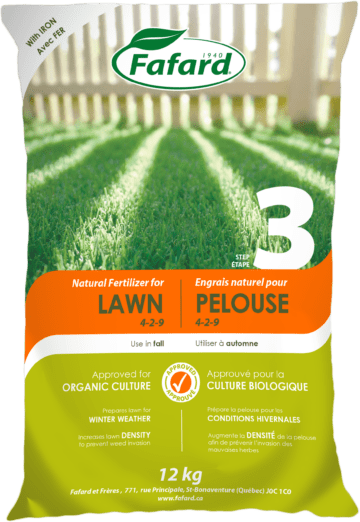
If you’re only going to fertilize your lawn once a year, it better be in the fall! Mid-September to late October is the perfect time for fertilizing because, as our grass is preparing to go dormant, the lower nitrogen concentrations and higher potash levels of fall fertilizers help them develop deeper, stronger roots, resulting in a lawn that is much more drought-resistant, requires less water, and can recover better and faster from next summer’s scorching heat.
If you’ve had crabgrass in the past, Corn Gluten can be used instead of other fall lawn food. Corn Gluten is a pre-emergent fertilizer that prevents seed germination, helping you prevent weeds before they even start. The only challenge with Corn Gluten is that it doesn’t distinguish between good seeds and bad seeds, meaning it’s not a great option if you also need to overseed. If your lawn’s relatively thick but you’ve got some weed issues, I recommend putting the corn gluten on now and saving your overseeding until the springtime.
While it’s true that fall typically brings more rain to Guelph, we have to remember to keep an eye on our lawn’s moisture levels because adequate hydration is crucial for your grass’s health and winter survival. Here’s how I suggest you approach late-season watering:

Taking care of your lawn in the fall is an essential investment for its long-term health and vitality, especially in a cold region like Guelph. By following my expert tips for fall lawn care, you can ensure your grass is ready to face the off-season and emerge lush and green in the spring. Don’t hesitate to stop by Royal City Nursery for everything you need to get started on your fall lawn maintenance or just to make sure you’re on the right track—we love talking about all things grass!