

“In Horticulture, there’s no such thing as failure. Even something going wrong is a teachable moment.”
If we start way back, I moved to the country when I was only one. Growing up, all I knew was the country. The only jobs we had growing up were agriculture where I lived, so the three choices that I had to ride my bicycle to was a farm, a golf course, or an orchard. If I wanted to ride my bicycle far enough, there was also a variety store 10km away (and it was, uphill both ways over the escarpment)! Back then, the agricultural choice was pretty clear.
I always felt growing up that our property needed to fit in with our environment. I didn’t like where urban design was going even when I was a kid. If a property, in an aerial photo, is a rectangle sitting in the middle of the country, it looks drastically out of place. I would always ask myself why is this rectangle cut out of the countryside? I needed to do something to mitigate that, and that’s always something that stuck with me.
I ended up spending a lot of time in production greenhouses when I was going through high school before finally discovering that landscape architecture actually existed as a career. I had no idea that it was even a profession, so it was a pleasant surprise to find that I could pursue my horticulture passion professionally. I spent a lot of time trying to get into the University of Guelph, which I finally did, and was able to pursue Landscape Architecture. Tanya and I met when I was in my third year of university and she was in her first year. We decided to get married just after she finished her fifth and final year.
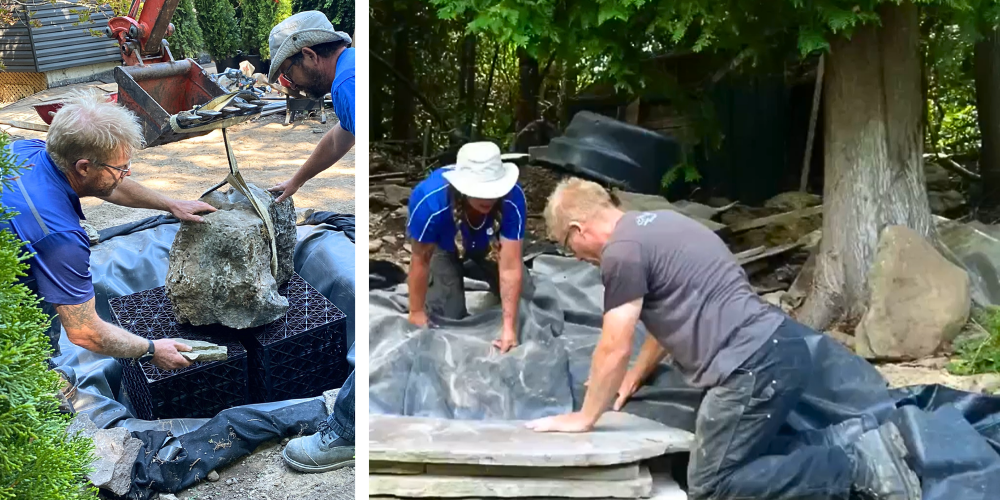
Slowly working into a larger firm in Toronto and doing big estate Landscape Architecture projects got me into an environment where many clients had grand visions and we were charged with dreaming of how best to achieve them. We landed some pretty big projects from Lorne Park to King City—and basically if somebody could dream it, we could do it, and a lot of the time the question was, can we do it? Our response was; of course we can do it! I spent a lot of time after university pursuing landscape projects with a great variety and depth of resources. I felt like many projects may have had a certain amount of “can we do it” instead of should we do it. There were often a great deal of resources going into a project’s development but it felt like it was often being developed in a bubble and some things still didn’t really fit.
For me, In terms of landscape design, fences make bad neighbours. I like to see somebody extend their property by using the views by being part of their neighbouring landscape, or through the use of a Greenbelt, rather than confine your garden space to the political boundary that your survey sticks you inside. Even in university we were encouraged to design in such a way where we could beg and borrow and “steal” space in order to build a bigger picture.
While I was working in the GTA I built a significant number of the water features for the landscape architect I worked for—anything from a little bubbling rock for a day or two to a waterfall that took months to build. To me, one of the things that I loved was turning the finished work on for the first time. It was always very exciting to see. I would be trying to envision how the water was going to react because you never know until you turn it on. Then, to go back to some of the projects later on and see that frogs or salamanders have moved in and that I succeeded somehow in replicating a natural element of the landscape, was a great feeling. If a third party—like a salamander—accepted it, I must have done it right! It was more successful for me. I’ve had the odd snapping turtle in some ponds, too. So to me, they’re the best customers because if you don’t get it right, they’re not going to show up!
I worked in landscape architecture for almost 27 years, and the more I built, the more I loved building. I knew that working in an office would never be for me and that I needed to participate in the industry more and get my hands dirty! I still insist to some of our new staff that the best shovel and the best rake you have is on the end of your arm which is going to get you more in touch with what you’re doing than trying to do everything mechanically.
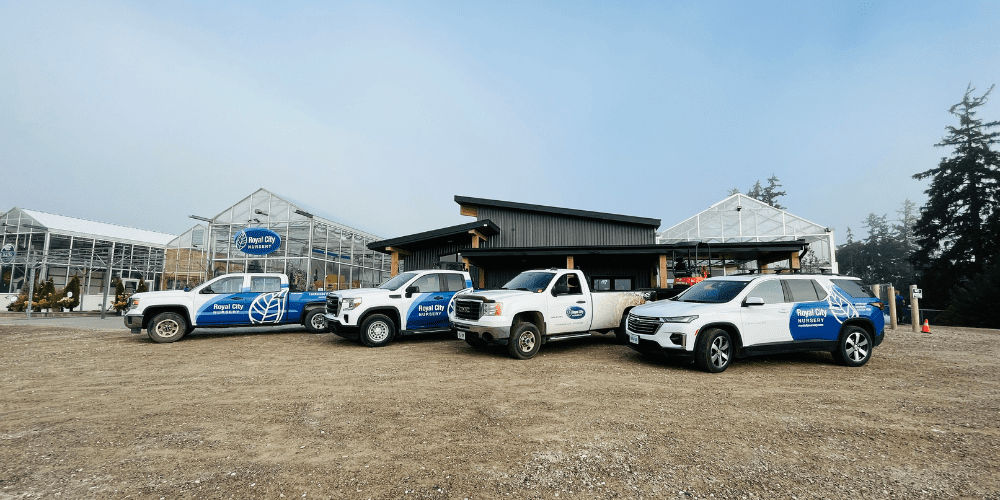
Once we realised we needed to begin developing the Garden Centre as a career path for us (largely Tanya to start with), it very quickly became obvious that I couldn’t continue to work for both the firm in Toronto and the Garden Centre at the same time. I had been waking up at four thirty in the morning to do some work here at the Garden Centre, then running off to King City for seven in the morning—and finally, coming back home at seven o’clock in the evening to spend another three hours working here. As you can imagine—that got tiring really fast! The landscape architect I was working for knew my days there were numbered, but we still do work together occasionally, even 30 years later, we’re still delving into that western Toronto market a tiny bit.
At that point, with Toronto behind me, I started managing the construction side of Royal City Nursery full time. I’ve always encouraged, and want to encourage, our customers to participate in their project as much as they’re able to. I really enjoy the fact that most of the customers we work with are actually participants in the process and long-term development of their landscapes. For most of the work I did in Toronto, once we finished the project, we never saw the customer again, which was always kind of strange. I’d occasionally need to go back to a job five or six years later and sometimes it was a bit disappointing seeing that the design intent wasn’t maintained years later, leaving me thinking well, this isn’t what the design was. There was no back and forth or no interaction after the fact, so if the client didn’t understand it, the overall concept of the design was lost.

It’s been fun here in Guelph at Royal City Nursery, and because a lot of our clientele have been longtime customers, we have gained some new folks that are mutual customers of the old designer I worked for. Some of those people have been customers for 35-40 years! We know them personally, too, and we’ve participated in their garden experiences and even some of their personal events. I also teach in the horticulture apprenticeship program at Humber, mainly doing the construction courses, for the past 15 years. Three years ago I started teaching at the University of Guelph to teach turfgrass managers that construction techniques are an important part of their careers —it’s not just all about the grass!
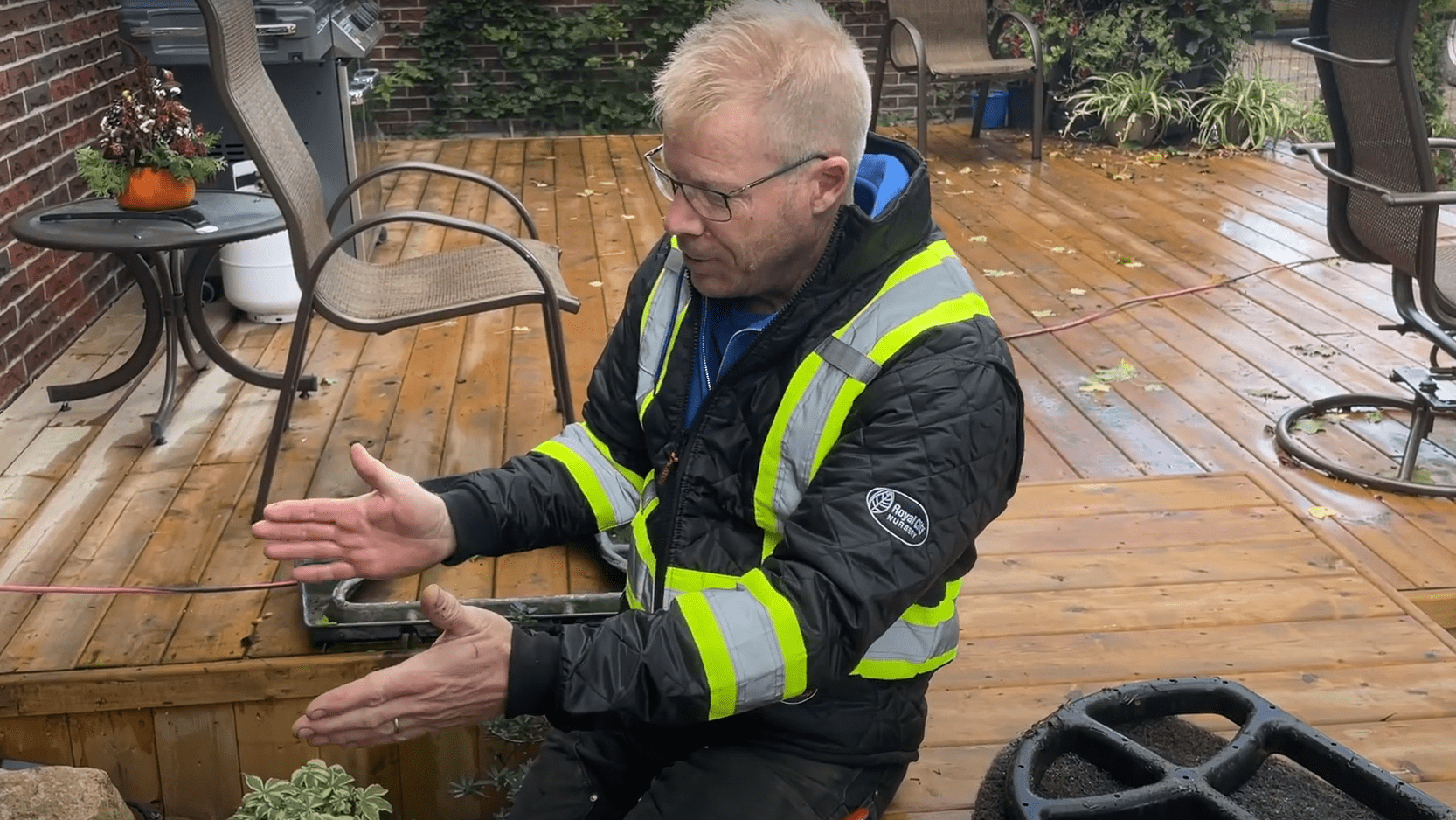
I think the teaching side of things has been very enlightening and when the opportunity to teach came up, we both jumped on it. I’m trying to get to the younger generation, but it’s not always that generation we are teaching. Some of our students are in their second careers and there are people from all walks engaging in these programs. Watching some of them get excited about it is the fun part, I know its sounds cliche, but it’s not just a job.
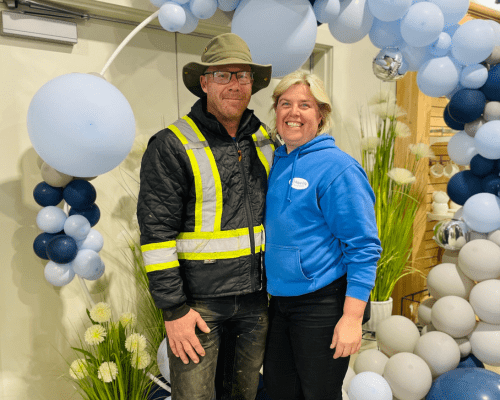
So, here we are right now—in our Nursery, coaching customers in not just how to plant things in their gardens but to see the bigger picture of how they are interacting with the landscape that surrounds them. It’s not just about planting a tree—it’s about who else is going to benefit from that tree in 5, 10, maybe 30 years if I put this here now. That’s what I feel we are all about, and I hope to keep our community moving forward in this way for years to come.
Tune in next week to hear the full history of Royal City Nursery, but in the meantime come see us today for all of your horticultural needs and the friendly expert advice we’re famous for!