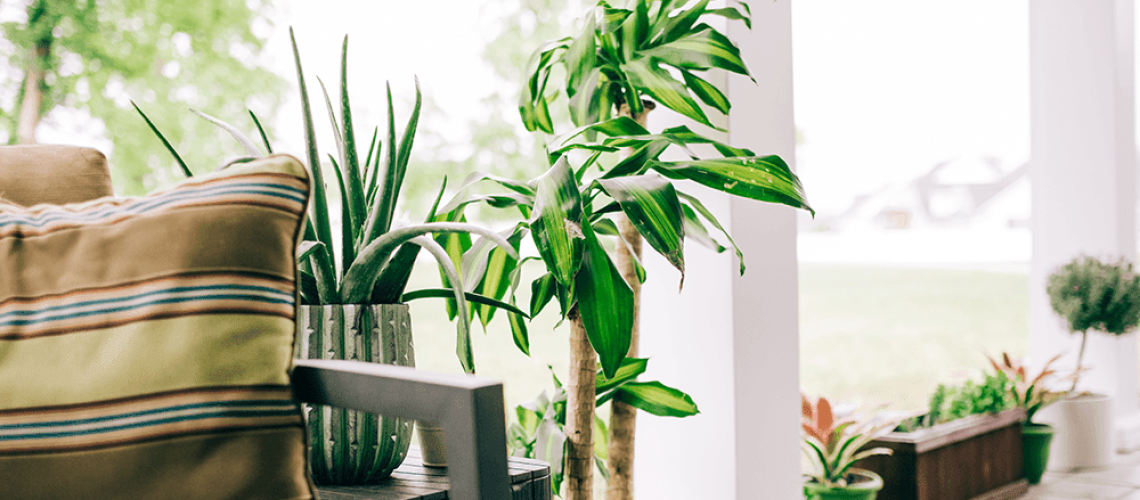
The days are getting shorter, and that hot summer heat has started to wane, which means it’s time to start thinking about moving indoor plants that have been living outside back inside! Many of us bring our houseplants outside for the summer, so they have the chance to soak up some rays, get some fresh air, and enjoy the season along with the rest of us. Living in Ontario means that the summer fun must eventually come to an end, though. As we start to pull out those cozy fall sweaters, it’s important to remember that our houseplants will need to come in to warm up and prepare for hibernation. With that said, this transition needs to be done gradually to acclimate your plants to their new environment.
The Basics of Moving Your Plants From Outside to Inside
There are just a few basic steps that will make moving your plants back inside seamless and successful.
Do a Pest Check
When you are moving your plants back inside, you want to ensure that you set them up for success. One way to do this is to make sure that you are not bringing any unwanted hitchhikers inside with them! Check your plants thoroughly for pests like spider mites and aphids. If you do see any sign of these pests, rinse them off with water, spray them with an all-natural insecticidal soap, or remove them by hand. Repeat this process every couple of days until you are certain your plants are pest-free before you start to acclimate them back to indoor living.
Prune, Refresh Soil & Repot Your Plant
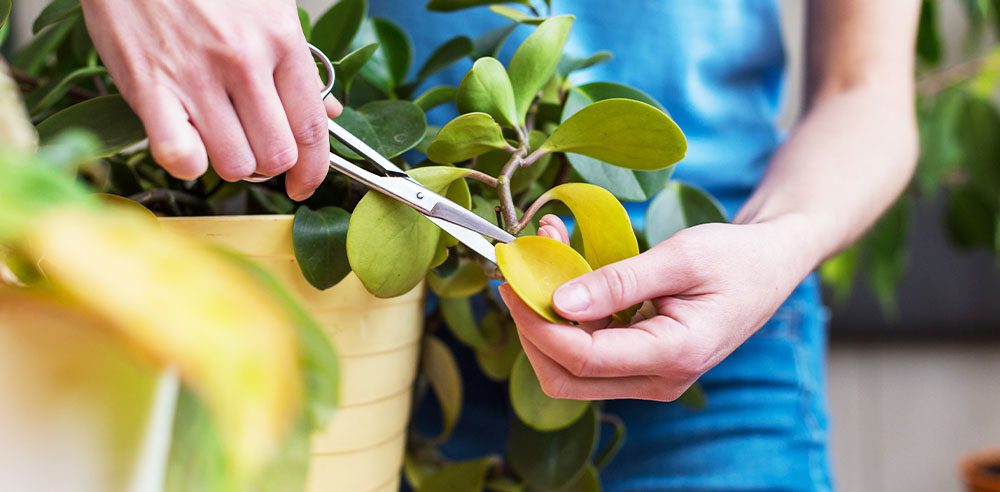
You don’t need to go all Edward Scissorhands on them if they haven’t had a ton of growth over the season, but consider pruning away any dead or dying foliage and repotting your houseplants with fresh soil as you prepare to move them back inside. When pruning, be sure to not cut your plant back by more than 1/3rd, and if you repot them, select a new pot that is roughly one to two inches bigger than its current container. Repotting with fresh soil is another great way to ensure that you are not bringing any unwanted pests inside.
Make the Transition Gradually
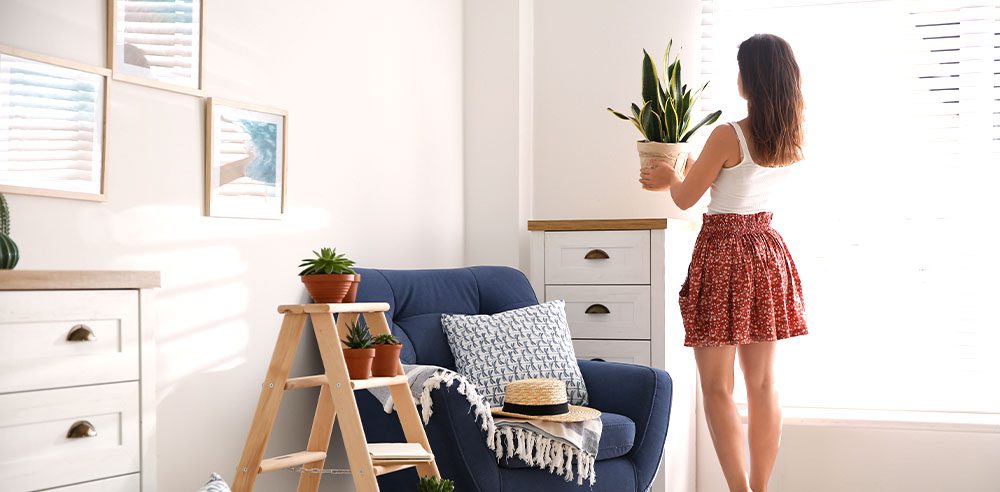
If you’ve ever had to move from one place to another, you know it can be pretty stressful! The same goes for our plants. Making the move gradually will help avoid shocking your plant. Once temperatures start to dip below 10° C, you risk losing your houseplants to the cold, so be sure to start this transition a couple of weeks prior to those expected temperature drops (around mid to end of September is ideal here in Southern Ontario). Start by only bringing your plant inside overnight but move it back outside during the day, then slowly increase the amount of time your plant spends indoors until the transition is complete.
Watch the Video on Our YouTube Channel
What To Do After Moving Your Plant Inside
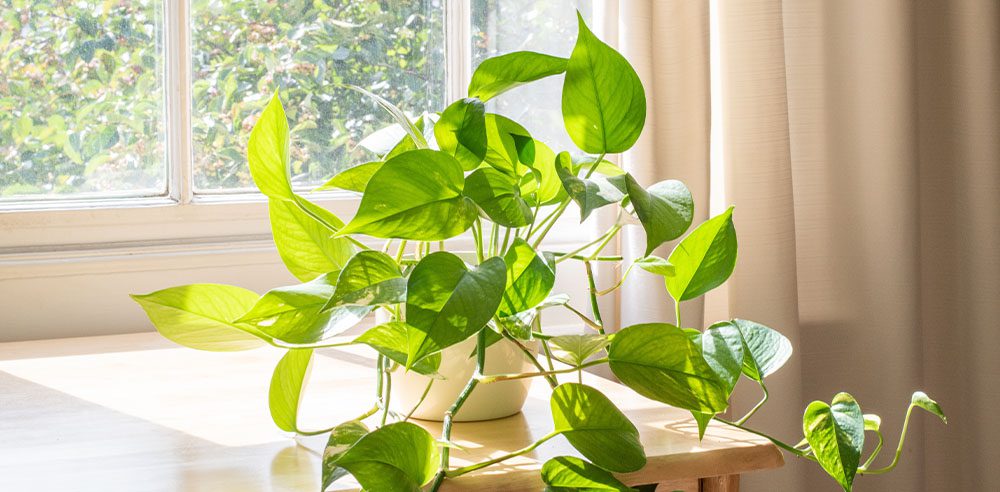
Since many plants enter a state of dormancy over the winter months, they will not need quite as much watering inside as when they were outside, nor will they need fertilizing. They will, on the other hand, require similar light conditions. So, for example, plants like this gorgeous rubber plant fare well in bright to medium light, so try to find a spot near a South-facing window to keep them over the winter.
Moving plants from outside to inside is relatively simple, but it is important to follow the steps that we have outlined above to ensure that your plant settles well into its new environment. Stop by Royal City Nursery to check out our extensive houseplant collection and get answers to any burning questions you might have about transitioning your existing plants!