
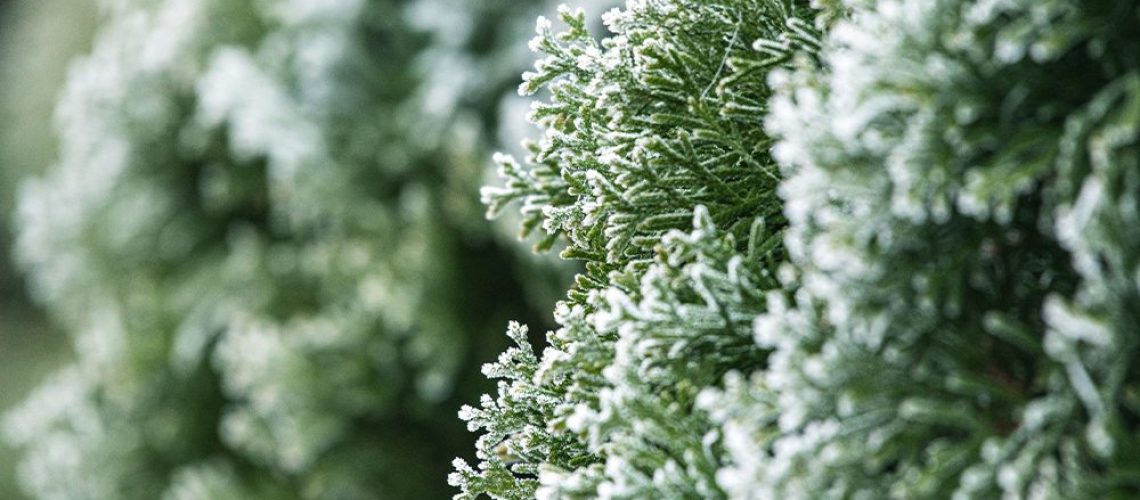
This is not a typical year for winter landscape care. As I stare out my front door, I see only an inch or two of snow and in some spaces patches of green grass staring back at me. While this exceedingly mild winter has been great for getting some much-needed fresh air and exercise, it will have some very interesting consequences for the spring—some good, some not so much.
Believe it or not, warm winters can be a significant challenge for new plantings. That thick layer of snow we can normally count on serves an important purpose for insulating the roots of our trees, shrubs, and perennial plants. Think of your childhood when you’d build snow forts with your friends—you could make them pretty cozy if you could keep the wind out!
Now that the “insulation layer” we normally have is missing, there are a few consequences we’ll need to contend with. Here’s how to adapt your winter landscape care for a warm winter.

Snow is a friend to trees and shrubs—it protects the roots from the cold air temperatures, fending off damage from overexposure. Furthermore, the snow recharges the groundwater table as it melts, allowing all plants to hydrate as they start to come out of dormancy. During a warm winter, when we get rain or frequent small melts, the snow runs right through the soil as opposed to freezing around the roots, where it’s available for better uptake later in the season. In effect, that means we’re looking at a year with more cold-damaged trees and shrubs that will be parched while they’re trying to recover.
How do you manage the damage? Your best bet is to try to replicate those typical winter landscape conditions for your trees as much as you can. In other words, try using the snow you do have as mulch, especially on any new plantings, with the priority on evergreens. Evergreens are most at-risk now, especially broadleaf evergreens like rhododendrons.
Right now, it’s also warm enough to wrap your trees and shrubs in burlap if you haven’t already. This will create an insulating barrier while the snow is missing. As spring approaches, remove the burlap and focus on watering. I’ll say more on that in ‘How to Protect Garden Plants.’
You may have noticed the fuzzy friends that normally steal bites out of your trees and shrubs—like deer and rabbits—seem to have left them alone this year. Don’t be fooled; they’re late, but they’re coming! Right now, the lack of snow means they have more access to browse, but sooner or later, their attention will turn to your landscape plants. If you normally protect your plants from wildlife damage, don’t delay much longer. Those “wascally wabbits” will sneak up on you!

The good news for gardeners is that this weather won’t likely hit your perennials terribly hard, and the earlier melt will lead to less muck in spring. However, it’s important to resist the urge to start gardening early, even if conditions seem perfect. Your garden will still be struggling to recover from the lack of additional groundwater, so patience will be your greatest virtue.
Furthermore, these temperatures are wreaking havoc on the overwintering cycles of a great many insects—both the good ones and the pesky ones. Less intense temperatures mean fewer pests will have died off. Be prepared for a strange year where some species seem to be showing up in droves.
The two things you’ll need to be extra-vigilant about this year are watering and pest control. If you haven’t tried an integrated pest management (IPM) program yet, this is probably the best possible year to start. IPM uses a multi-pronged approach to manage pests in a way that doesn’t create harsh imbalances in the natural ecosystem. We can tailor a program for you; just give us a call!
Next, watering. Your garden hose won’t be able to replace all the water we’ll be missing this year, but if you’re strategic with your watering, you can help your plants pull through. As the weather starts warming up, start watering your trees and shrubs. Trees and shrubs do better with long, slow, and infrequent waterings. Run a soaker hose at the base of each tree or shrub for 30-45 minutes approximately once per week, making sure the water is allowed to spread evenly around the trunk or main stems. Replace your snow “mulch” with real mulch as soon as you can to help them keep all that precious moisture.
Beds and lawns, as sad as they might be looking, shouldn’t be watered quite so early. Too early on and the water can exacerbate the risk of frost damage. Around early to mid-May, start deep waterings on beds and lawns to support those thirsty roots as they start their annual wake-up.
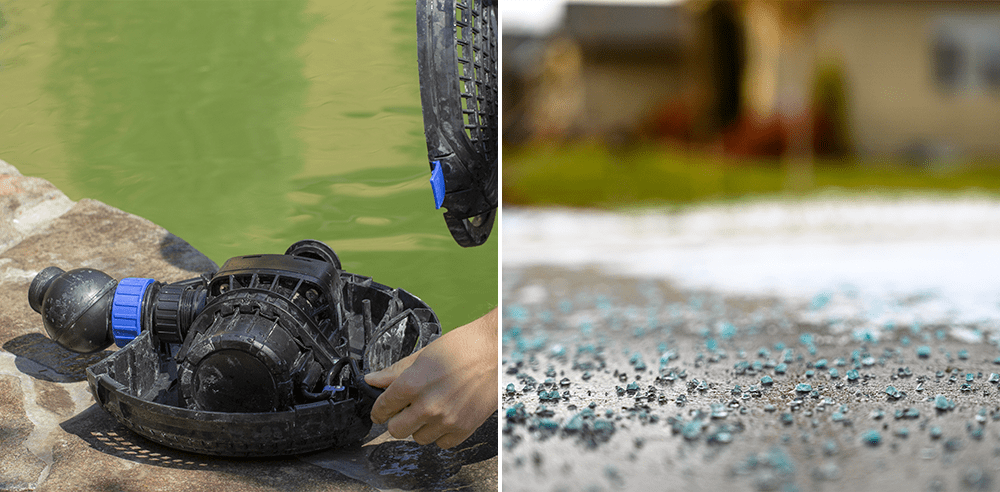
If you haven’t for a while, it might be wise to start keeping an eye on your pond to make sure there’s still water in there. The last thing you need is for your pump to burn out! Keep your pond topped up or remove and clean the pump until you’re ready to run your spring maintenance.
Lastly, let’s talk about salting. Right now we’ve been pretty lucky, and there hasn’t been much need to salt. However, that’s not to say we won’t eventually get some snow and ice. While salt won’t necessarily be harmful to your hardscaping, this year’s conditions can cause that salt runoff to be especially harmful to the surrounding grass and plants. When the groundwater can’t recharge properly, the risk of severe salt burn is much higher. If you must salt this year, I strongly recommend some kind of barrier or mulch to the surrounding areas of your driveway, pathways, or sidewalks to prevent unsightly patches in the spring.
With all of this said, it’s not a time to worry—just a time to be observant. Unusual weather conditions are a fact of life, and the more comfortable temperatures have been a gift for all of us this year. As we get closer to spring, know what to look for, and don’t forget to enjoy yourself out there. What’s the fun of gardening without a challenge?