

This year, I’ve met more new gardeners than ever! It’s so exciting to see so many new faces, and I’m thrilled on your behalf as you start this exciting new foray into your backyard. With that said, gardens are about community. Even if it’s tucked away behind a fence, your garden is joined with the others in the neighbourhood through the wildlife, elements, and climate in our region—no one gardens in a bubble. So, in the spirit of community, I wanted to take the opportunity to help the beginners out there with this basic plant care guide. I’ve collected all the need-to-know info, as well as some links to other helpful articles, so it’s all in one place for you to reference. Here’s all you need to know to make your garden’s first year a smashing success!
When you bring your new plants home, watering them correctly is the most important part of helping them start their new lives in your garden. Here in Guelph, we’re starting up water bans, which has some folks a little nervous about how they’re going to keep their plants hydrated. If this is you, don’t worry! If you’re watering properly, you should be able to keep all your garden friends happy and stay well under your water budget. Here are some watering tips for beginners, broken down by plant type:
Annuals: Annual flowers kept in pots, containers, or hanging baskets don’t have a lot of soil to draw from, so it’s common to water them every other day, and daily in very hot weather. Water the soil, not the foliage, as much as possible, and keep the water running until you see it leak through the drainage holes on the bottom of the pot.
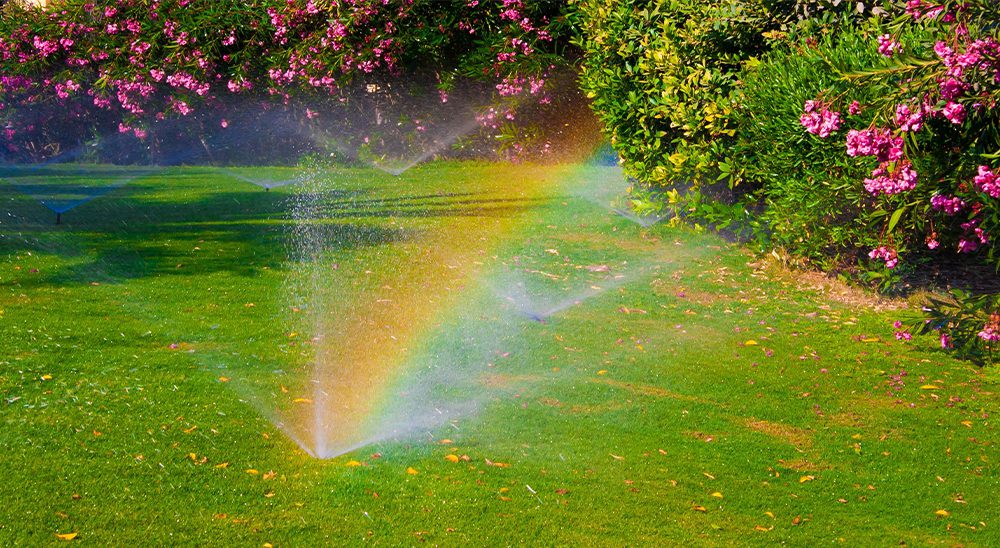
Perennials, Shrubs, and Trees: These are some of the most commonly returned items because they often need more water than people expect, but less frequently. These plants are working to establish deep, strong root systems that will sustain them through the winter. After planting, water them very deeply before mulching; you’ll want to run the hose for half an hour to forty-five minutes before moving it to the next plant. A weeping hose is great for watering at the soil level; you can purchase one at our nursery and set it up under the mulch. Repeat that deep watering with the weeping hose (or a hose kept very close to the soil) every 5-7 days.
Lawns: Right now is not the time to water your grass, even though bluegrass-based lawns are looking a little brown! The dull colour is a normal and healthy thing for this time of year, when bluegrass is dormant. Watering the grass will force it out of dormancy, and if that happens, you’ll need to keep up with much more watering and fertilizer than necessary in order to keep it alive. For now, save your water for your plants, and worry about lawn care until later on in the fall. We’ve got a whole fall lawn care guide you can refer to then!
A few extra watering tips:
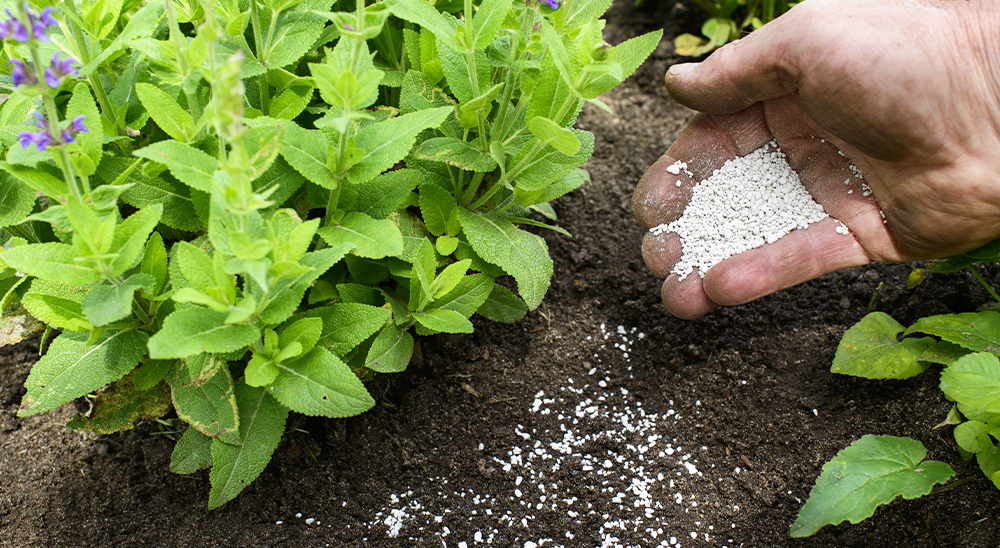
Many first-time gardeners are intimidated by fertilizer, and I can understand why—there’s a lot of information to digest. If you’re using fertilizers for the first time this year, don’t panic! Here are a few tips for getting it right.
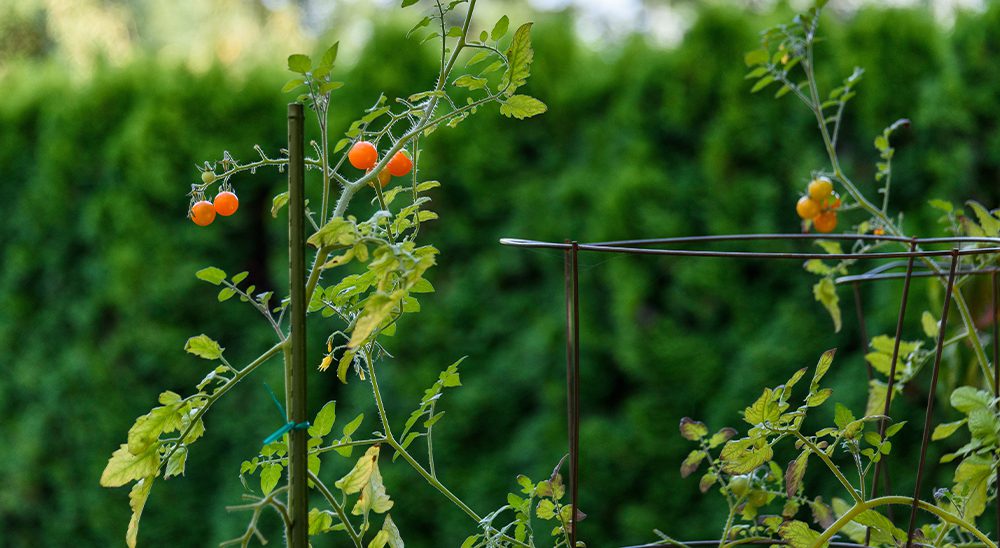
Some plants can grow to be quite top-heavy, so we use stakes and supports to help them stay upright when bursting with blooms or flush with fruit. Tomatoes, delphiniums, lupines, and peonies are commonly supported with stakes or cages.
Tomatoes and peonies are most often supported in cages, which makes it easy to support the weight of their respective fruit and flowers as they grow. I always recommend fitting the cage on the new plant as early as possible. Position the stem in the middle, and over time, you can use the wire tiers to support the layers of foliage. These structures encourage the plants to grow upright, which will help you keep them evenly pruned on all sides.
We typically use stakes to help out a plant that is starting to buckle under its weight. If you have a plant with a flower spike that’s starting to lean, securing it to a stake will keep it upright and encourage the stem to grow stronger and straighter. You can use twine, wire, or even special clips as a tie to bind the plant stem to the stake.
When using stakes, be gentle with your ties; if they’re too tight, they can start to cut into the stem as it thickens. If you notice a tie starting to cut into the stem, remove it and replace it with a roomier one.
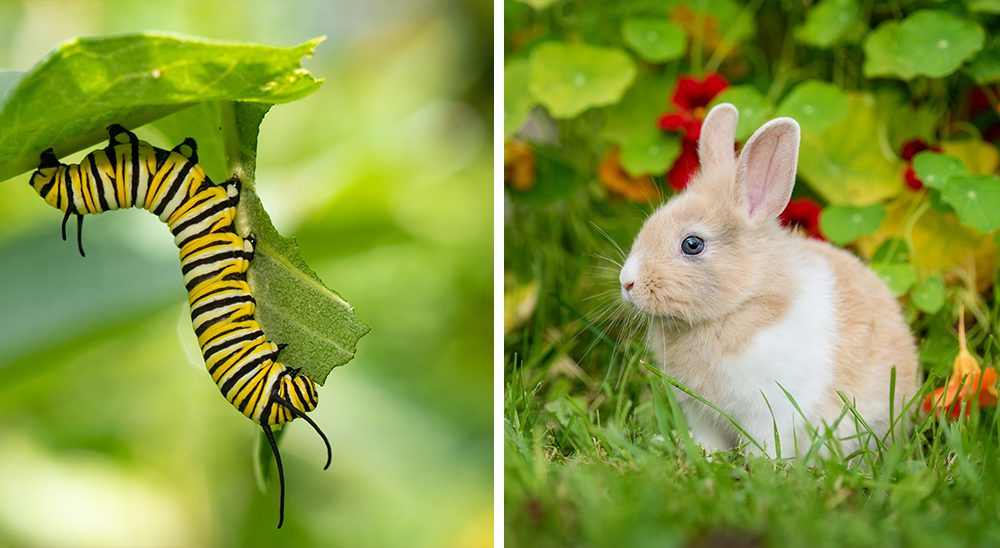
Pests and diseases are just part of the gardener’s journey. It’s easy to get discouraged when you find your precious plants’ leaves riddled with holes, but chin up! We’re working with nature, after all, and nature always has its own plans.
We can’t always predict when disease will strike, but we can always take steps to prevent it. Some important prevention tips to note include:
But what about pests? Pests are a fascinating topic, and we’ve put a lot of effort into developing resources to help you manage them as you find them. Here are a few you can refer to, depending on what you’re struggling with.
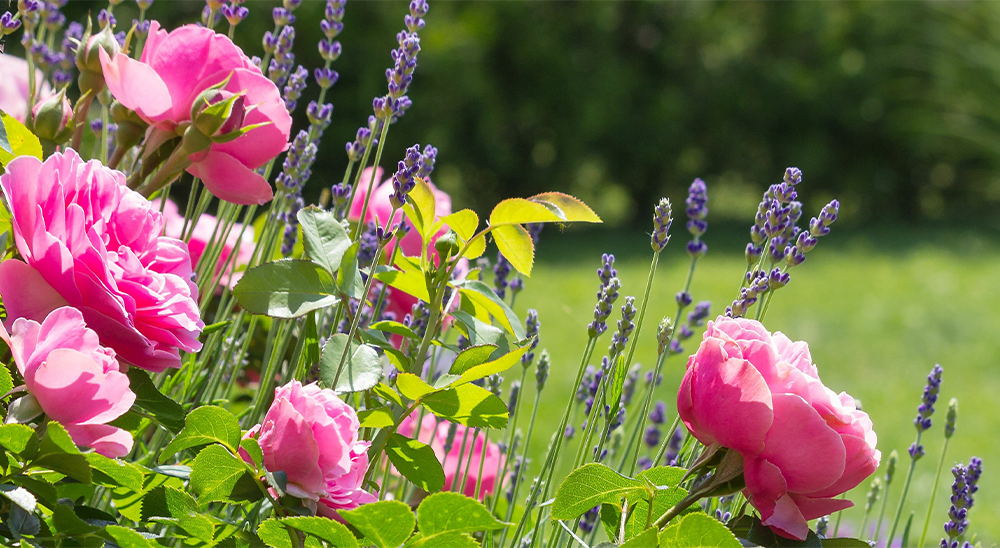
As the summer goes on, you might notice some of that bright colour starting to fade. Deadheading is the process of pinching off spent flowers to encourage the plant to produce more, and it’s a great way to keep your garden looking great. I always encourage folks to take a little walk through each day and spend a few minutes pinching and cleaning up.
While you’re at it, you can pull any new weeds, fix anything that looks out of place, and generally keep everything managed. It’s so much less work (and much more fun) to bundle your tasks and do a little each day. This way, the work is done quickly, and all that’s left to do is stand back and admire your handiwork.