

When bringing a gorgeous new tropical houseplant home, our first thoughts are usually aesthetic in nature; where will I put it? Which pot should I use? Would it look cute on that empty spot on my shelf? But if you were lucky enough to get a houseplant as a holiday gift, or you’ve recently added a new plant to your collection, at some point you’ve likely also wondered how to care for the darn thing! If so, fret not—you’ve arrived at the ultimate tropical houseplant care “cheat sheet.” Here’s how to look after some of our most popular tropical houseplants!

Light Needs: Filtered light to partial shade. Avoid putting your Chinese Evergreen in direct sunlight.
Moisture Needs: Allow soil to dry out between waterings and water deeply with filtered water or tap water that has been allowed to stand uncovered for a minimum of 30 minutes. To take the best care of these tropical houseplants, it’s recommended to keep them in a high-humidity environment. Spritz them with water a few times daily, keep smaller plants on a pebble tray, or place a humidifier in the room.
Soil Needs: Aglaonema does best in a peat-based soil mixture or potting soils containing perlite for optimal drainage.
Feeding Needs: Apply balanced liquid fertilizer (an NPK ratio of 20-20-20) every 2-3 weeks in spring and summer, feed every other month in fall and winter.
Other Considerations: Due to the humid environment these plants prefer, keep an eye on the soil for any fungal issues that may develop.
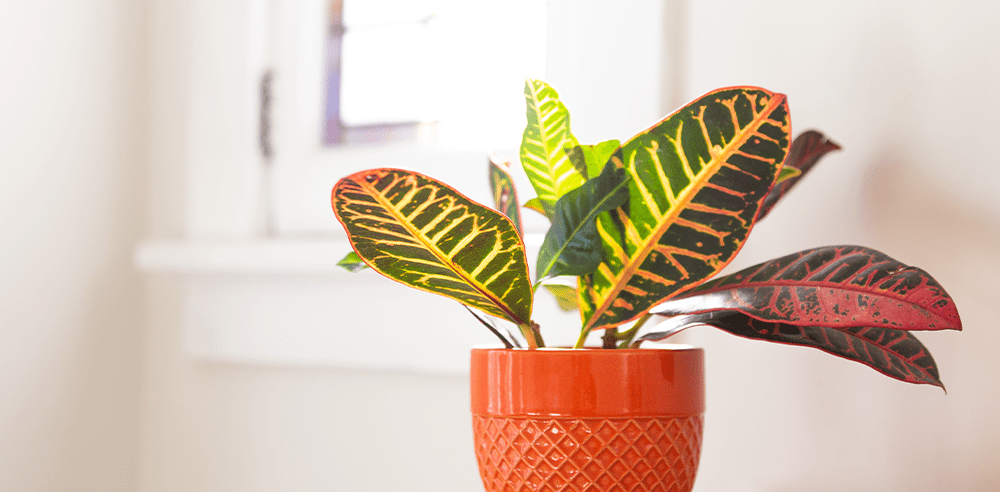
Light Needs: Full sun; the more sunlight they enjoy, the more vibrant their colours!
Moisture Needs: Water frequently, but allow the top two inches to dry between waterings. To take the best care of these tropical houseplants, it’s recommended to keep them in a high-humidity environment. Spritz them with water a few times daily, keep smaller plants on a pebble tray, or place a humidifier in the room.
Soil Needs: Tolerates many soil blends as long as the mixture has excellent drainage.
Feeding Needs: Feed no more than once per month in spring and summer, and not more than every other month in fall and winter. Use a balanced liquid fertilizer (20-20-20).
Other Considerations: Leaf loss is a common sign of stress in crotons. This can be temporarily caused by changing the plant’s location, but if you haven’t moved it, ensure all of its basic needs are being met. In particular, these tropical houseplants cannot tolerate temperatures below 15˚C, so ensure the plant is in a warm location far from any drafts.
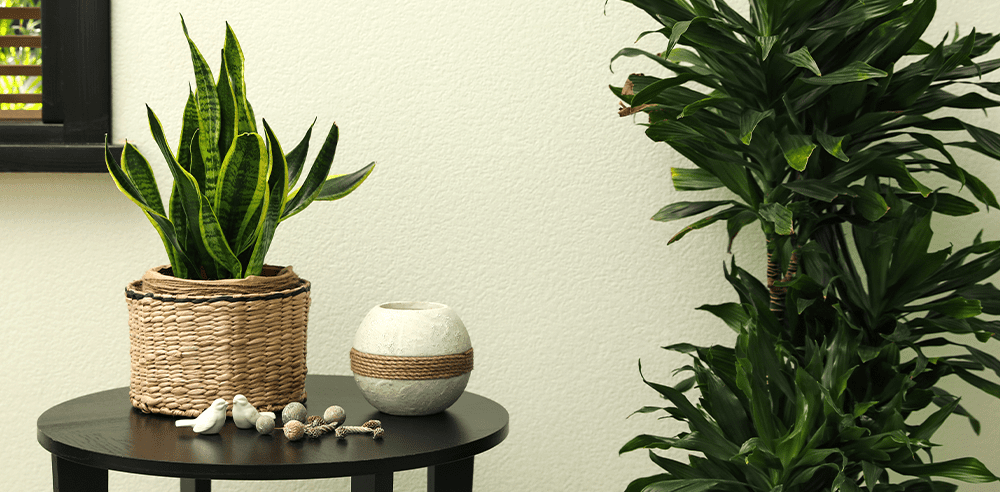
Light Needs: Filtered light to partial shade. Avoid putting your dracaena in direct sunlight.
Moisture Needs: You don’t need to water these tropical houseplants often to take good care of them! Allow their soil to dry out between waterings and water deeply with filtered water or tap water that has been allowed to stand uncovered for a minimum of 30 minutes. They prefer higher humidity, so spritz the leaves daily for best results.
Soil Needs: Tolerates many soil blends as long as the mixture has excellent drainage.
Feeding Needs: Feed no more than once per month in spring and summer, and not more than every other month in fall and winter. Use a balanced liquid fertilizer (20-20-20) diluted in water to half-strength.
Other Considerations: Keep dracaenas away from temperatures below 12˚C.
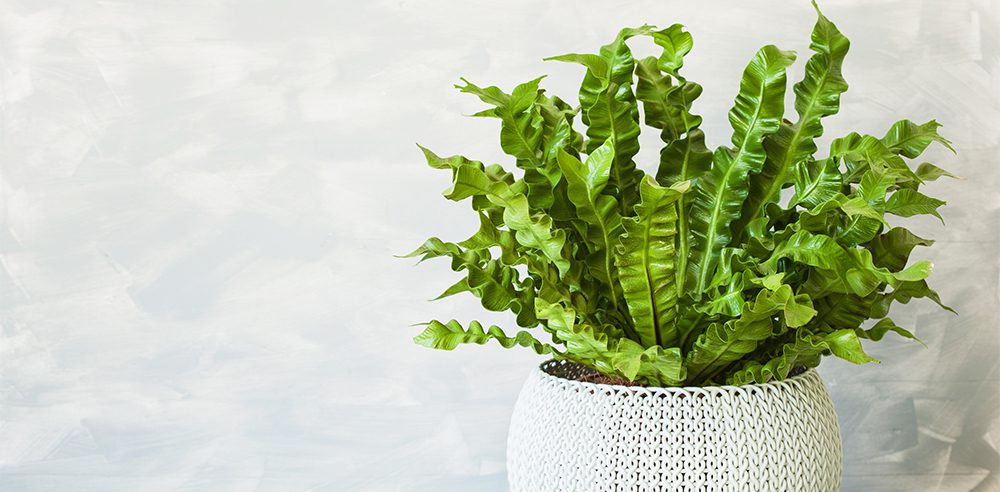
Light Needs: Dappled shade, filtered light, or partial shade is ideal for most ferns.
Moisture Needs: Ferns thrive in high-moisture environments and achieving the right humidity levels is an essential step in learning how to care for these tropical houseplants. Keeping a humidifier in the room or keeping smaller plants on a consistently topped-up pebble tray will ensure the environment is humid enough for their delicate fronds. Keep soil evenly moist but avoid waterlogging the soil at any time; a small amount of water daily is best for these plants.
Soil Needs: Ferns grow best in a fast-draining mixture of compost and sand.
Feeding Needs: During the spring and summer, mist the fern monthly with a half-strength fertilizer solution. Do not feed in winter.
Other Considerations: Keep ferns away from temperatures below 15˚C.
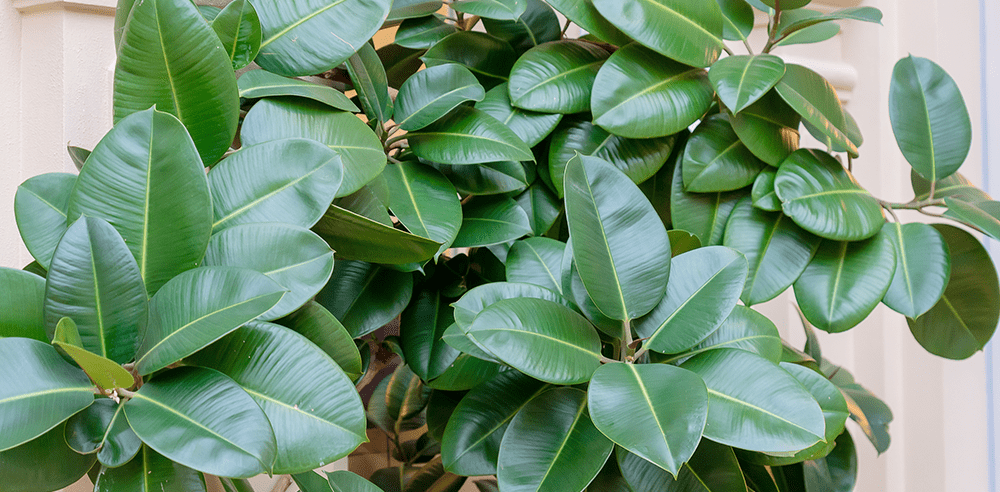
Light Needs: Filtered light to partial shade. Avoid putting your ficus in direct sunlight.
Moisture Needs: Water frequently, but allow the top two inches to dry between waterings. To take the best care of these tropical houseplants, it’s recommended to keep them in a high-humidity environment. Spritz them with water a few times daily, keep smaller plants on a pebble tray, or place a humidifier in the room.
Soil Needs: Choose a fertile soil-based mixture with excellent drainage for your ficus. Make sure the mixture isn’t too acidic; a pH balance between 6.0 and 6.5 is ideal.
Feeding Needs: Apply balanced liquid fertilizer (an NPK ratio of 20-20-20) every 2-3 weeks in spring and summer, feed every other month in fall and winter.
Other Considerations: Leaf loss is a common sign of stress in ficus plants. If this occurs, ensure all of its basic needs are being met. In particular, these tropical houseplants cannot tolerate temperatures below 16˚C, so ensure the plant is in a warm location far from any drafts.
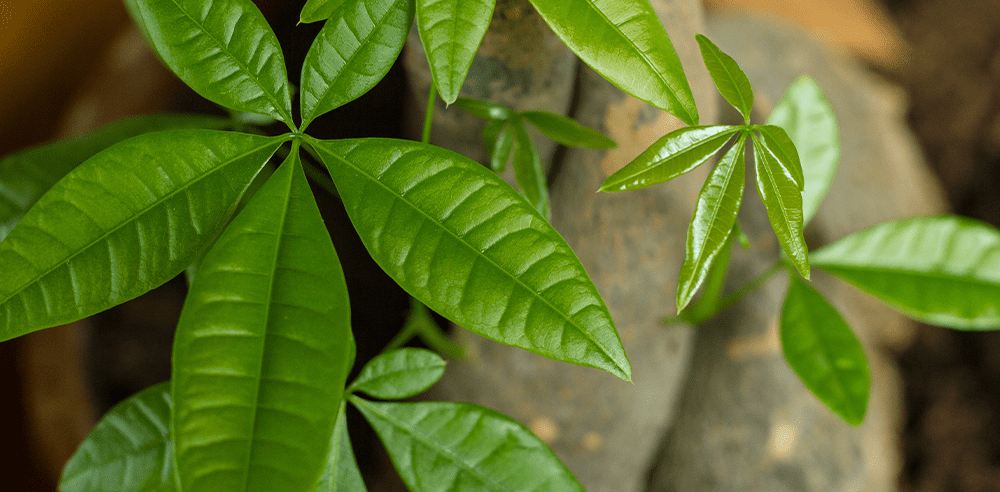
Light Needs: Medium to bright indirect light is best for your money tree! For even growth, rotate the pot a few degrees every time you water.
Moisture Needs: Water frequently, but allow the top two to four inches to dry between waterings. This may be fairly frequently in the summer, but growth slows in the winter, so test the pot every time with your finger. If you’re wondering how to best care for these tropical houseplants, the key to success is to keep them in a high-humidity environment. Spritz them with water a few times daily, keep smaller plants on a pebble tray, or place a humidifier in the room.
Soil Needs: Money trees do best in a sandy peat-based soil mixture.
Feeding Needs: Feed no more than once per month in spring and summer, and not more than every other month in fall and winter. Use a balanced liquid fertilizer (20-20-20) diluted in water to half-strength.
Other Considerations: Leaf loss is a common sign of stress in money trees. This can be temporarily caused by changing the plant’s location, but if you haven’t moved it, ensure all of its basic needs are being met. In particular, these plants cannot tolerate temperatures below 15˚C, so ensure the plant is in a warm location far from any drafts.
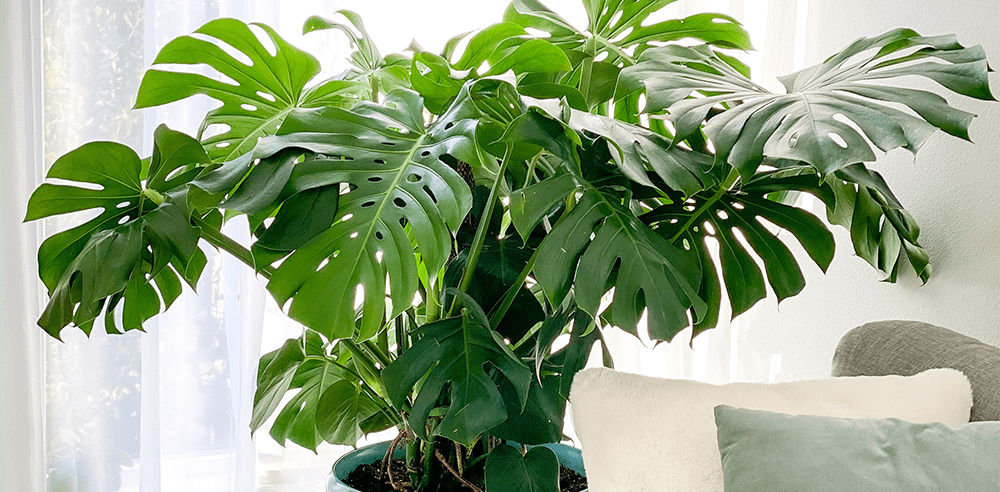
Light Needs: Bright, indirect light is ideal for these iconic tropical houseplants.
Moisture Needs: Between each watering, allow the top two inches of soil to dry out. When watering, water deeply enough that water drains through the bottom of the pot. Philos and monsteras prefer a little humidity from a spray bottle or humidifier but will manage in drier environments if necessary.
Soil Needs: Any high-quality, well-draining potting mix rich in organic matter will do.
Feeding Needs: Feed no more than once per month in spring and summer, and not more than every other month in fall and winter. Use a balanced liquid fertilizer (20-20-20).
Other Considerations: Keep these plants away from temperatures below 15˚C.

Light Needs: Bright, indirect light. Keep indoor palms out of direct sunlight.
Moisture Needs: Between each watering, allow your palm’s soil to dry out (only slightly in the spring and summer and almost completely in fall and winter). Water deeply enough that water drains through the bottom of the pot.
Soil Needs: Palms do best in loose, fast-draining soil with good water retention; look for potting mixes specifically for palms or a mixture high in peat, shredded bark, or vermiculite.
Feeding Needs: It’s not necessary to fertilize your palm as long as you use a quality potting mix.
Other Considerations: Keep palms away from temperatures below 15˚C, and avoid repotting unless absolutely necessary—usually once every few years. Palms prefer to be a little rootbound.
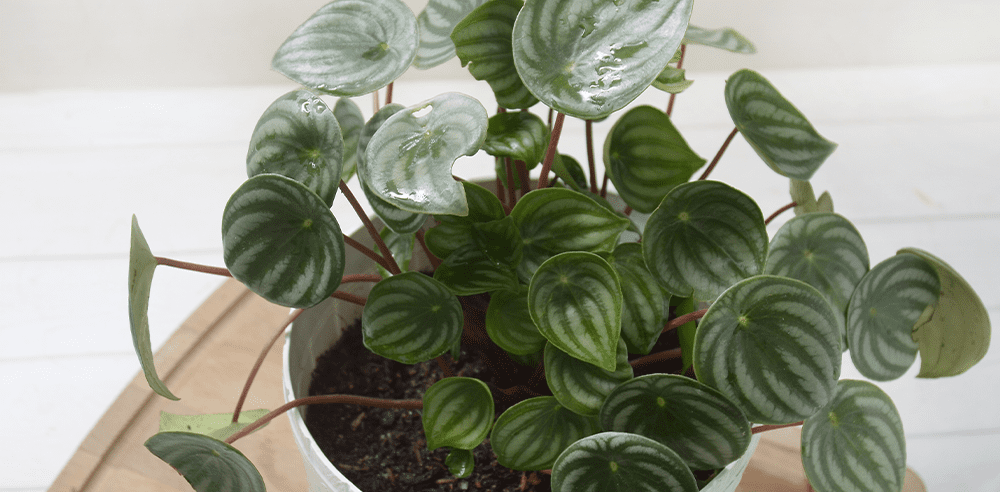
Light Needs: Medium to bright indirect light is best for your peperomia, but avoid letting it sit in direct sunlight. For even growth, rotate the pot a few degrees every time you water.
Moisture Needs: Water frequently, but allow the top two inches to dry between waterings. Taking care of this fairly diverse family of tropical houseplants involves getting their humidity levels right. Peperomias with more succulent (thicker) leaves can tolerate lower-humidity environments, while thinner-leaved peperomias benefit from regular spritzing, pebble trays, or the presence of a humidifier.
Soil Needs: Peperomias do best in peat-based soil mixtures or potting soils containing perlite for optimal drainage.
Feeding Needs: Feed no more than once per month in spring and summer, and not more than every other month in fall and winter. Use a balanced liquid fertilizer (20-20-20) diluted in water to half-strength.
Other Considerations: Keep peperomias away from temperatures below 15˚C.
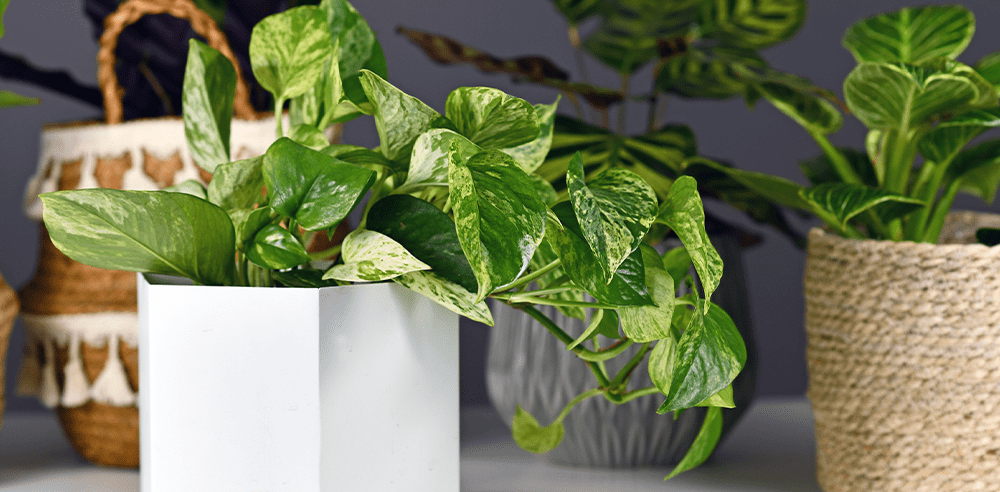
Light Needs: Pothos and ZZ Plants are two of the most laid-back tropical houseplants you can own, in part thanks to their relaxed light needs! Both ZZ plants and pothos can survive in just about any light situation, except total darkness. However, they both do best in bright indirect sunlight.
Moisture Needs: Let these indoor plants’ soil dry out completely before watering again. (For pothos, slightly drooping leaves are a good signal that the plant needs a drink.)
Soil Needs: Any well-draining potting soil will do.
Feeding Needs: For both houseplants, feed no more than once per month in spring and summer, and not more than every other month in fall and winter. Use a balanced liquid fertilizer (20-20-20) diluted in water to half-strength.
Other Considerations: During the growing season, pothos will grow quickly and will need to be repotted once their roots overgrow the pot. When repotting, use fresh soil and only go up one pot size at a time.
Missing any of these plants from your collection? Bring them home by ordering from our online store—we offer curbside pickup on Thursdays, Fridays, and Saturdays!